Upgrading Your Car Battery For Performance, 4wd & High-tech Vehicles
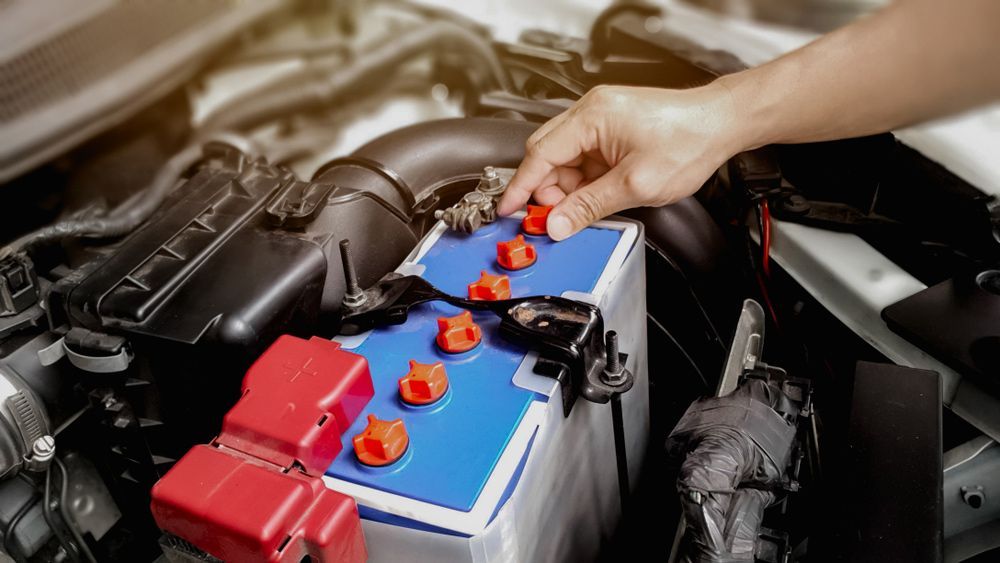
A car battery upgrade can help high-demand vehicles start reliably and support their electrical systems. Whether you drive a modified performance car, a touring 4WD or a modern stop-start vehicle, the best upgrade is one that matches your vehicle's specifications and how you use it.
For drivers comparing car batteries on the Central Coast, understanding battery technology, capacity and compatibility makes choosing a replacement easier.
Why Standard Batteries Can Fall Short in High-Demand Vehicles
Conventional flooded lead-acid batteries suit many everyday vehicles, but some electrical systems place greater demands on them. Stop-start technology repeatedly restarts the engine, while added accessories can draw power when the vehicle is parked.
A standard battery may wear faster if it experiences frequent deep discharges or operating conditions beyond its design. However, fitting a more expensive battery isn't automatically an improvement. The charging system and manufacturer's requirements must support the upgrade.
Signs Your Vehicle Needs a Battery Upgrade
The following symptoms suggest your battery or electrical system needs attention:
- Slow cranking: The engine turns over sluggishly, especially after sitting overnight.
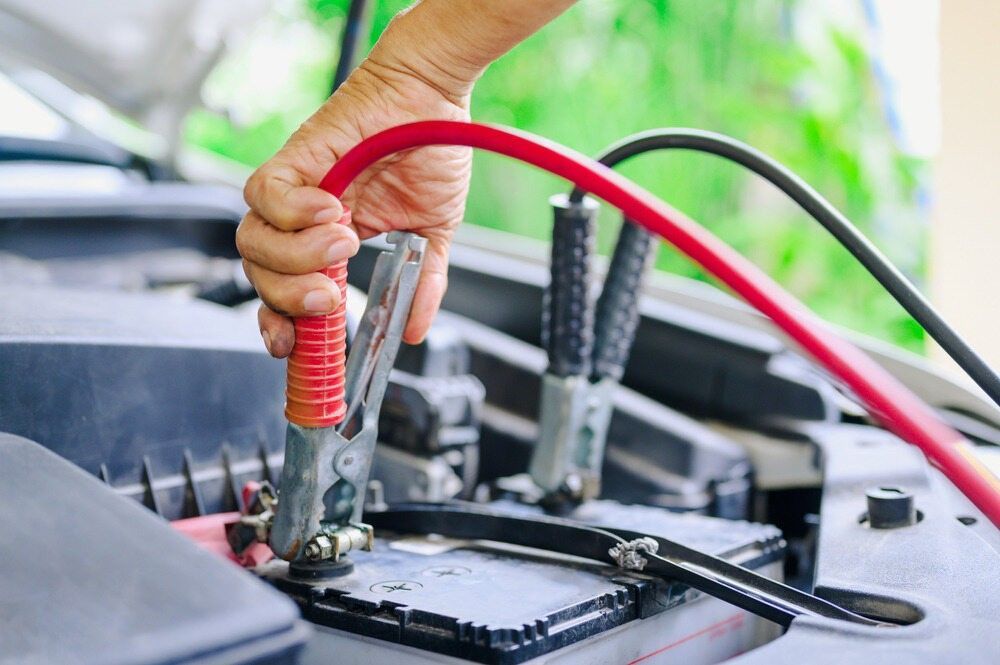
- Repeated flat batteries: The vehicle frequently needs a jump-start.
- Unreliable accessories: Electrical equipment struggles when the engine is off.
- New power demands: You've added equipment such as a fridge, lights or an inverter.
- Stop-start problems: The system stops operating as expected, although other factors can cause this.
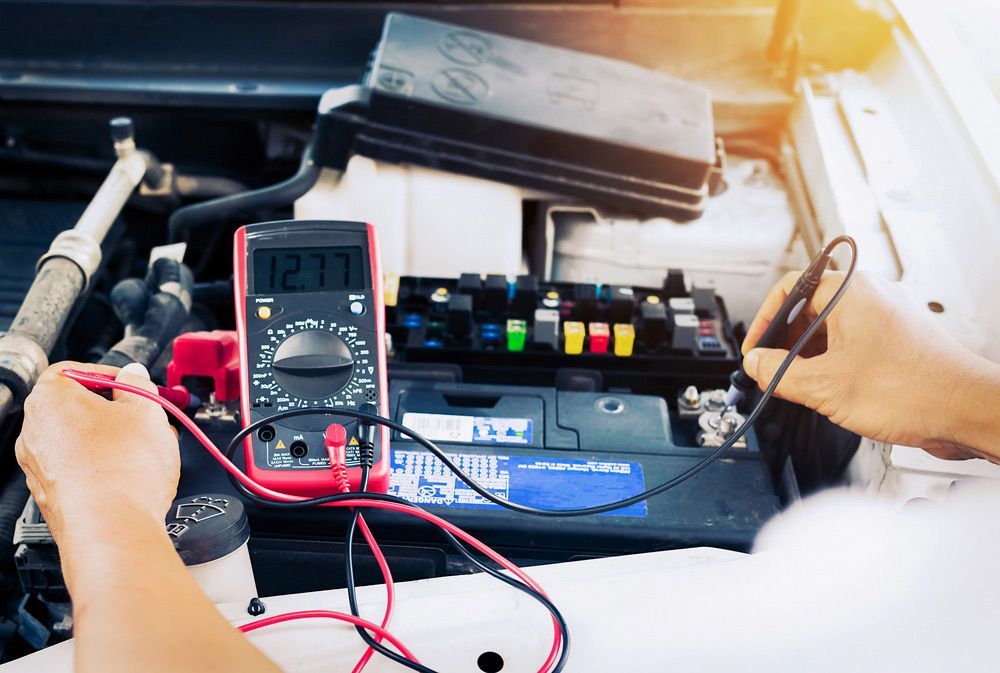
These signs don't prove the battery is undersized. A failing alternator, poor connection or parasitic drain can cause similar problems. Testing the battery and charging system before upgrading helps avoid an unnecessary purchase.
Choosing the Right Upgrade: AGM, EFB & Lithium Options
Different battery designs are suited to different electrical demands.
AGM Batteries
Absorbent Glass Mat (AGM) batteries hold electrolyte in fibreglass separators. They generally tolerate repeated charge and discharge cycles better than conventional flooded starter batteries. An AGM battery upgrade can suit compatible vehicles with advanced stop-start systems or substantial electrical demands.
EFB Batteries
An EFB battery, or Enhanced Flooded Battery, is designed for improved cycling performance compared with a standard flooded battery. It's commonly used in vehicles with basic stop-start systems. If your vehicle originally has EFB technology, use a manufacturer-approved replacement type rather than downgrading to a conventional battery.
Lithium Batteries
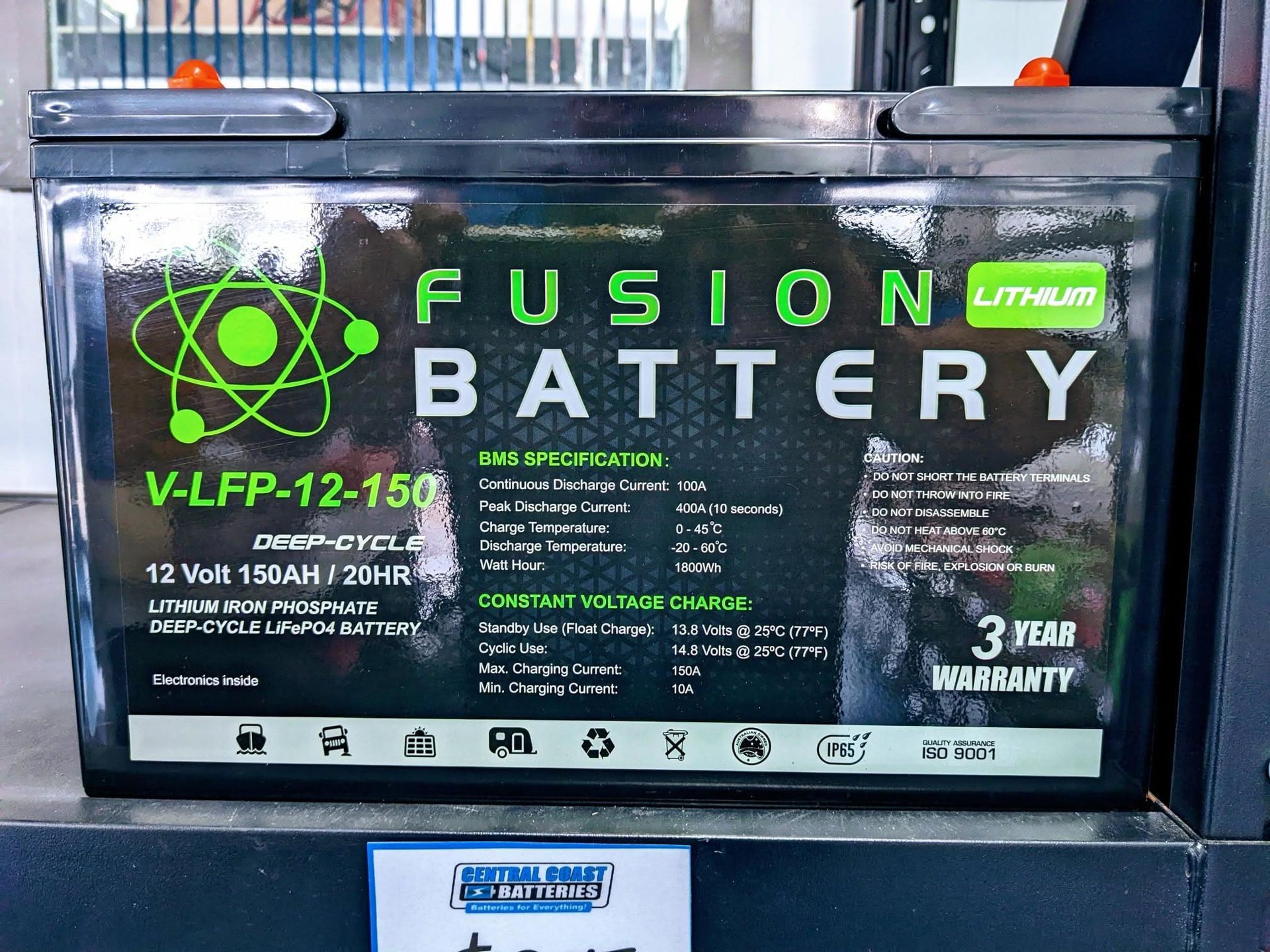
Lithium batteries can offer reduced weight and useful energy storage for touring accessories. However, most auxiliary lithium batteries aren't direct substitutes for a vehicle's starter battery. They may require a battery management system and compatible charging equipment.
For a broader comparison, read our guide to the
different types of car batteries.
Key Specs to Compare: CCA, Reserve Capacity & Physical Size
Battery chemistry matters, but the specifications must also match your vehicle.
Cold cranking amps (CCA) indicate a battery's ability to deliver starting current under standardised cold-temperature testing. Diesel and high-compression engines may have demanding starting requirements. Higher CCA can be useful, but the manufacturer's minimum specification is the starting point.
Reserve capacity measures how long a battery can supply a specified load under test conditions. It's useful for comparing batteries, although it doesn't tell you everything about suitability for camping or repeated deep discharge.
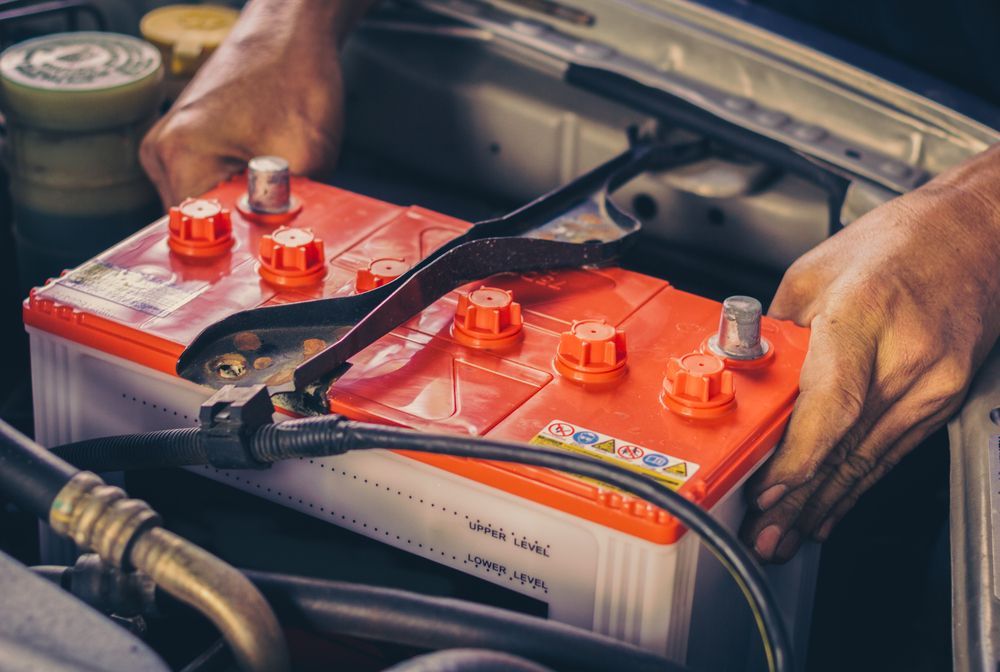
Physical size and terminals determine whether the battery fits securely and connects correctly. Check dimensions, terminal layout, mounting arrangements and electrical compatibility. A battery that doesn't fit its tray properly isn't a safe upgrade.
Stop-Start Vehicles & Battery Registration: Why Professional Fitting Matters
Stop-start vehicles place repeated demands on their batteries. Many use AGM or EFB technology, and fitting the wrong type may affect charging behaviour, battery life and stop-start operation.
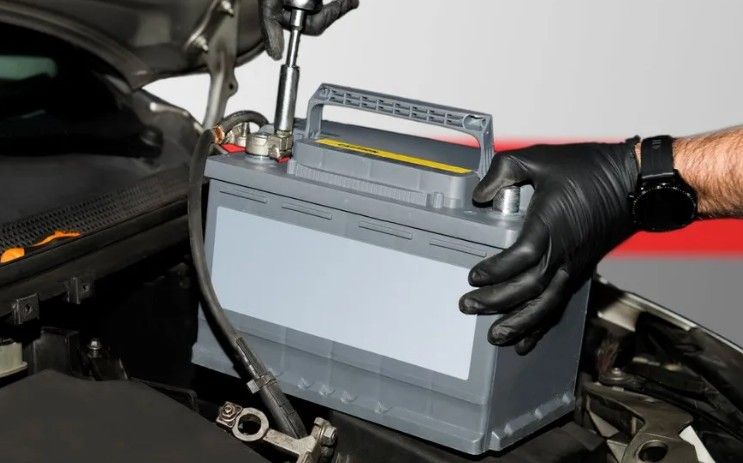
Some modern vehicles also require battery registration after installation. This tells the battery management system that a new battery has been fitted. Depending on the model, diagnostic equipment may be needed to record the battery type or capacity and reset learned charging information.
Not every vehicle requires registration, so the correct procedure depends on its make and model. Professional battery replacement helps ensure the replacement and fitting procedure are appropriate for the vehicle.
Powering 4WD, Touring & Aftermarket Accessories
Touring accessories can draw substantial power while your engine is switched off. Fridges, camp lighting, communications equipment and inverters are common examples.
A dual battery setup separates engine starting from accessory power. In a typical arrangement, the starting battery remains available for the engine while an auxiliary battery supplies camping equipment.
Imagine camping overnight with a fridge running. With a properly designed auxiliary system, you can power the fridge without relying on the starting battery. Selecting the right system involves considering:
- Daily energy use: How much power your accessories consume.
- Battery capacity: How much usable energy is available.
- Charging method: Whether a suitable DC-DC charger is needed.
- Battery type: Whether AGM or lithium suits your touring setup.
- Installation: Correct wiring, protection and secure mounting.
Winches require particular attention because they draw very high current. Their electrical requirements shouldn't be treated like those of a fridge or camping light. Have the entire system assessed before adding major accessories.
Looking After Your Upgraded Battery
Good habits help protect your investment, whatever battery technology you choose.
Keep the battery adequately charged, especially if you mostly take short trips or leave your vehicle parked for extended periods. Avoid running accessories from the starting battery for long periods with the engine off.
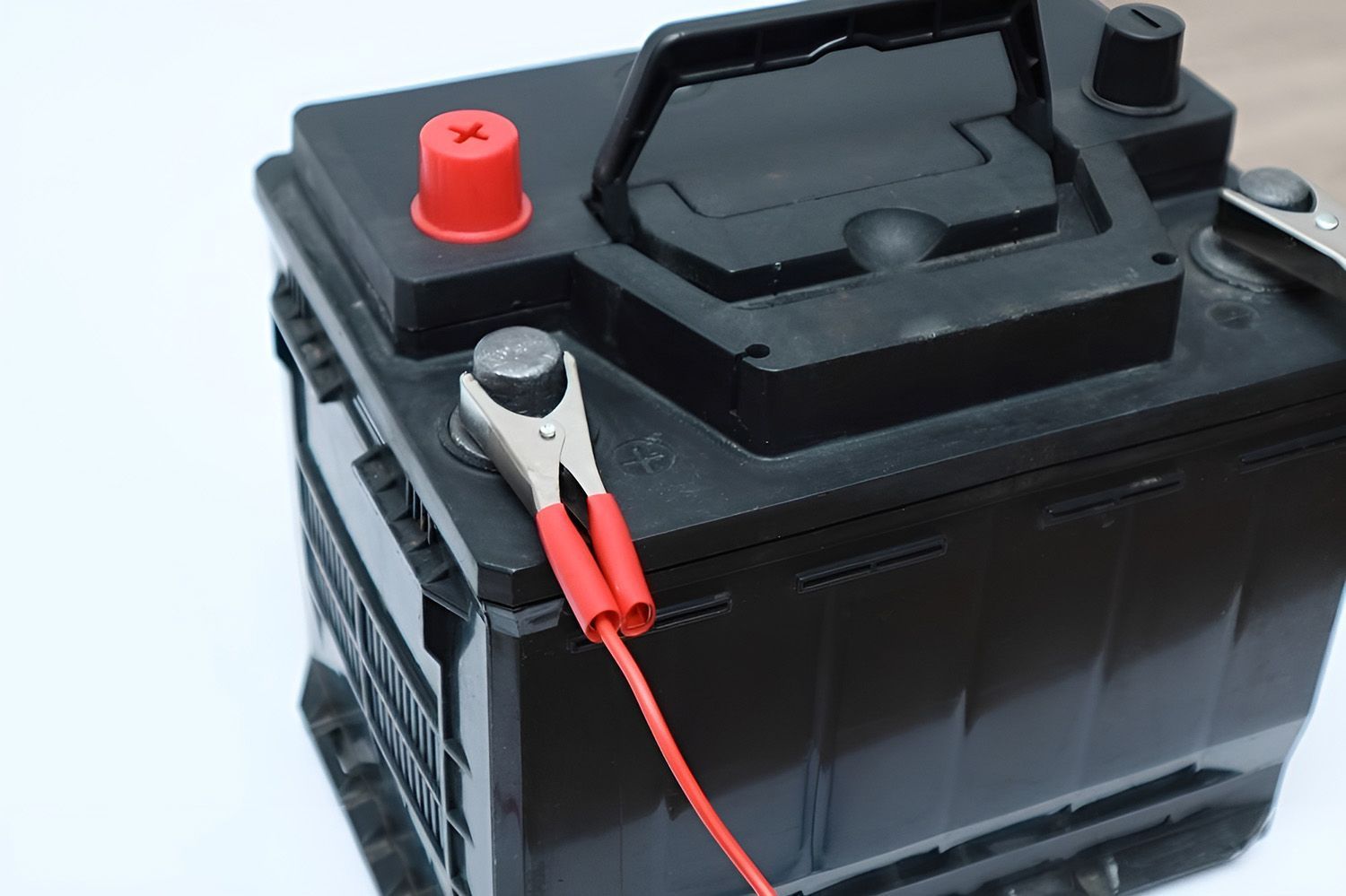
Check for loose or corroded terminals and use charging equipment compatible with the battery's chemistry. If starting performance deteriorates, arrange testing rather than repeatedly jump-starting the vehicle. Regular checks can reveal charging problems before they leave you stranded.
Why Choose Central Coast Batteries for Car Battery Upgrades on the Central Coast?
Different vehicles need different solutions. A performance car, an electronics-heavy commuter and a touring 4WD shouldn't automatically receive the same battery simply because it fits the tray.
At Central Coast Batteries, we help drivers consider battery options suited to their vehicle and electrical demands. If you're unsure where to begin, explore our car batteries on the Central Coast and discuss your requirements with our team.
We also offer mobile battery fitting for drivers who need a convenient fitting option.
The key takeaway: A successful upgrade starts with battery testing, the correct specifications and compatibility with your vehicle's charging system.
Contact Central Coast Batteries to discuss your battery needs and suitable replacement options.
Frequently Asked Questions
Can I install a battery with higher CCA?
Often, yes, provided it meets the vehicle manufacturer's requirements and fits correctly. Higher CCA won't fix an alternator fault or electrical drain.
Is AGM always better than EFB?
Not necessarily. AGM and EFB serve different applications. Follow the vehicle manufacturer's battery specifications and confirm that any proposed change is compatible.
Can I replace a factory AGM battery with a standard battery?
Generally, you shouldn't downgrade unless the manufacturer specifically approves it. A conventional battery may not tolerate the vehicle's charging and cycling demands.
Do I need a second battery for occasional camping?
It depends on how much power you use and how long you camp without driving. A power-use assessment can help determine whether an auxiliary battery is worthwhile.
Does every new car battery need registration?
No. Battery registration is required on some vehicles with battery management systems, but procedures vary by make and model. Check the manufacturer's fitting requirements.