Understanding Your Car Battery's Warranty And Lifespan
Understanding your car battery warranty and lifespan can help you avoid unexpected starting problems and make a better decision when replacement time comes around. How long a battery lasts depends on the battery itself, your vehicle, driving habits, climate and electrical demands, while warranty coverage depends on the specific manufacturer and retailer terms.
For Central Coast drivers, the practical approach is to look after the battery, recognise early warning signs and keep your purchase and warranty information somewhere accessible.
How Long Should A Car Battery Last?
There isn't one lifespan that applies to every car battery. Two drivers can buy similar batteries at the same time and get very different service lives because their vehicles and driving patterns place different demands on them.
Battery type and quality matter, but so does whether the battery is correctly matched to the vehicle. Modern cars can have substantial electrical requirements, and vehicles with stop-start technology or other advanced systems may require a particular battery technology.
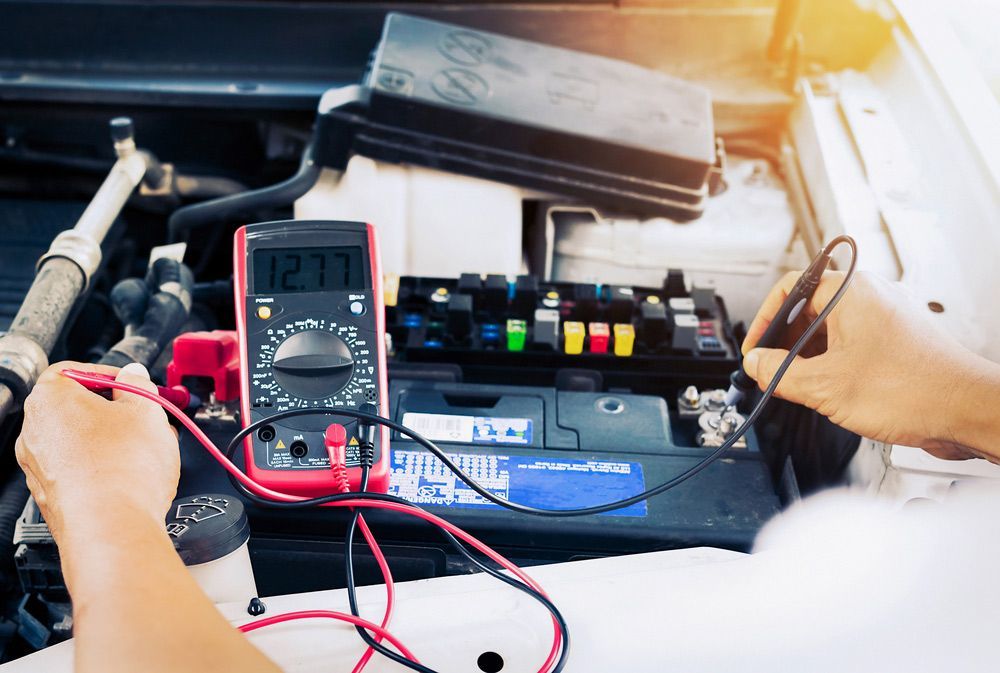
So, how long do car batteries last? Rather than relying on a fixed number of years, pay attention to battery condition and performance as it ages. Regular testing can identify declining performance before the battery reaches the point where the car simply won't start.
Central Coast Batteries offers
battery testing for motorists who want to check battery condition rather than guess based on age alone.
What Factors Affect Battery Longevity?
A battery's working life depends heavily on the conditions it experiences. Climate, driving habits and the electrical demands of your vehicle can all make a difference.
Climate And Temperature
Heat can be hard on automotive batteries. High under-bonnet temperatures and warm Australian conditions can contribute to battery deterioration over time.
Temperature isn't the only consideration, though. A battery also has to deliver enough power to start the vehicle under the conditions in which it operates. This makes correct battery selection important rather than simply choosing one based on physical size or price.
Driving Habits
Frequent short trips can be demanding because starting the engine uses battery power, while a brief drive may provide less opportunity for the charging system to replenish what was used.
A vehicle that sits unused for extended periods can develop a different problem. Even when parked, some vehicle systems can continue drawing a small amount of power.
Electrical Load
Modern vehicles can run numerous electrical systems, from infotainment and climate controls to security systems, cameras and accessories. Additional aftermarket equipment can increase those demands. Dash cameras, upgraded audio systems, auxiliary lighting and other accessories need to be installed and managed correctly so they don't create unnecessary battery drain.
Example: A Central Coast driver uses their car mainly for short trips during the week and has a dash camera operating in parking mode. If the battery is already declining, that combination may expose starting problems sooner than the same battery in a vehicle regularly driven for longer periods.
What Do Car Battery Warranty Terms Actually Cover?
Car battery warranty terms vary between manufacturers, battery models and retailers. Your warranty documentation should always be the source of truth for the battery you've purchased.
Generally, a battery warranty is designed to address eligible manufacturing or product defects during the applicable warranty period. It should not be assumed to cover every reason a battery might become discharged, damaged or unable to start a vehicle.
For example, a battery problem could potentially result from factors outside the battery itself, such as an issue with the vehicle's charging system, an electrical drain, incorrect application or another vehicle fault. Whether a particular situation qualifies for warranty coverage depends on the terms attached to that product.
If you believe your battery has failed prematurely, don't automatically assume you need to buy another one. Have the battery and, where appropriate, the vehicle's charging system checked so the underlying problem can be identified.
Keep your proof of purchase and any warranty information provided with the battery. If you need to make a claim later, having the correct documentation can make the process much easier.
How Can You Prolong Your Car Battery's Life?
You don't need to constantly monitor a healthy battery, but a few sensible habits can help you avoid unnecessary strain.
Use a battery that suits the vehicle manufacturer's requirements, particularly if your car has stop-start technology or high electrical demands. Avoid repeatedly leaving lights, accessories or other electrical equipment operating when the engine is off.
If a vehicle isn't driven regularly, pay attention to how long it sits between trips. Fleet managers should also consider vehicles that spend extended periods parked, because low-use vehicles can still experience battery problems.
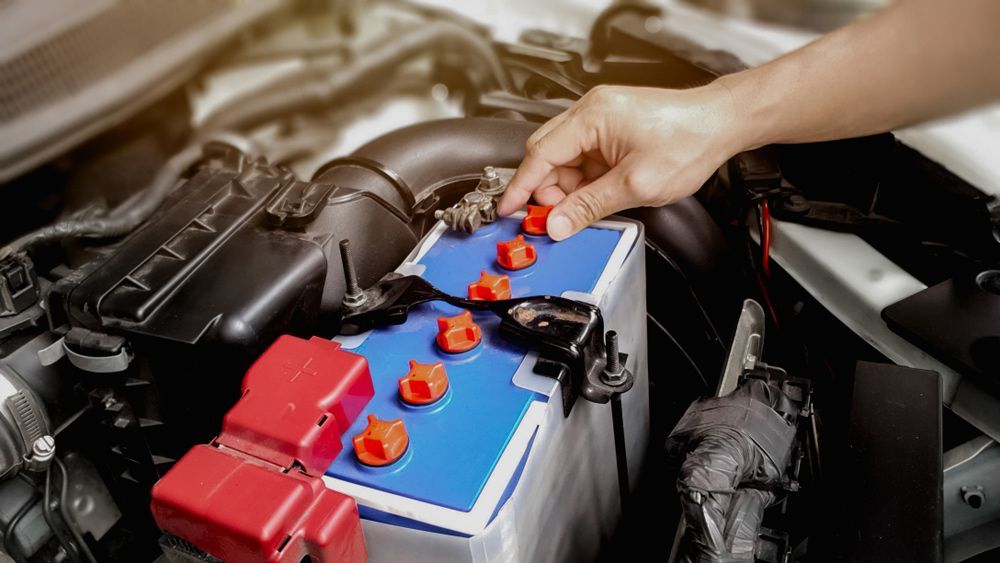
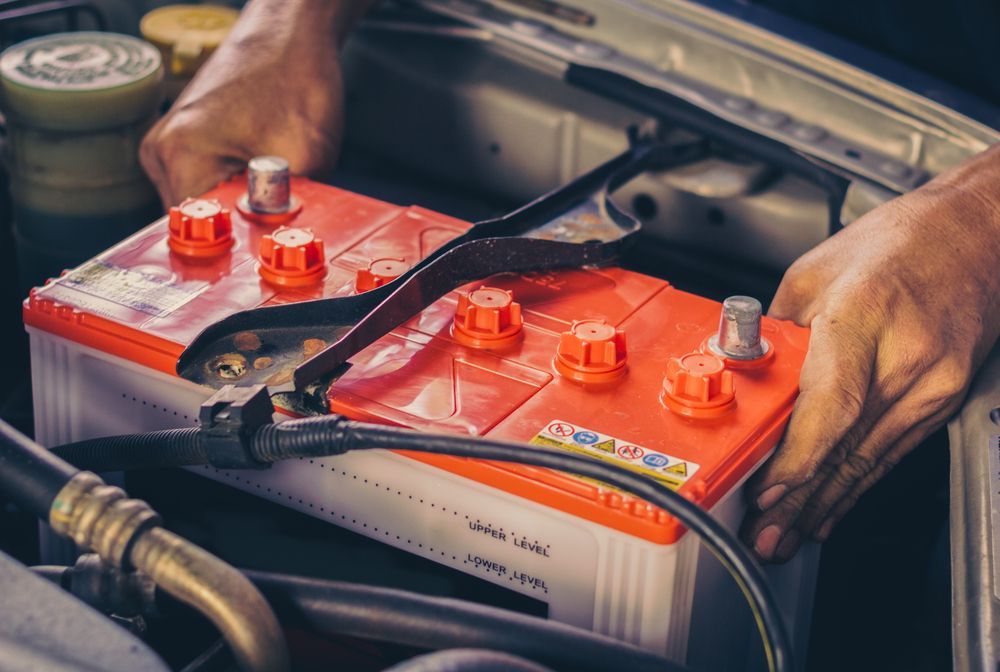
Keep an eye on the battery and surrounding area when carrying out basic under-bonnet checks. Visible corrosion, damaged terminals or an insecure battery should be investigated rather than ignored.
Most importantly, test the battery if its behaviour changes. Finding a weakening battery while the vehicle is at home or at work is far more convenient than discovering it after turning the key and getting no start.
What Are The Early Signs Of Battery Failure?
Some batteries fail with little warning, but there are several signs of a failing car battery worth recognising.
A slow or laboured engine crank is one of the most obvious. If the starter sounds noticeably different or the engine takes longer than usual to turn over, the battery should be checked.
You might also notice intermittent starting problems, unusual electrical behaviour or warning indicators. However, these symptoms don't automatically prove the battery is responsible. Starter motor, alternator, wiring and other electrical faults can produce similar problems.
Physical changes also deserve attention. If the battery case appears swollen, damaged or leaking, don't treat it as a normal ageing issue. Arrange professional assessment and replacement where required.
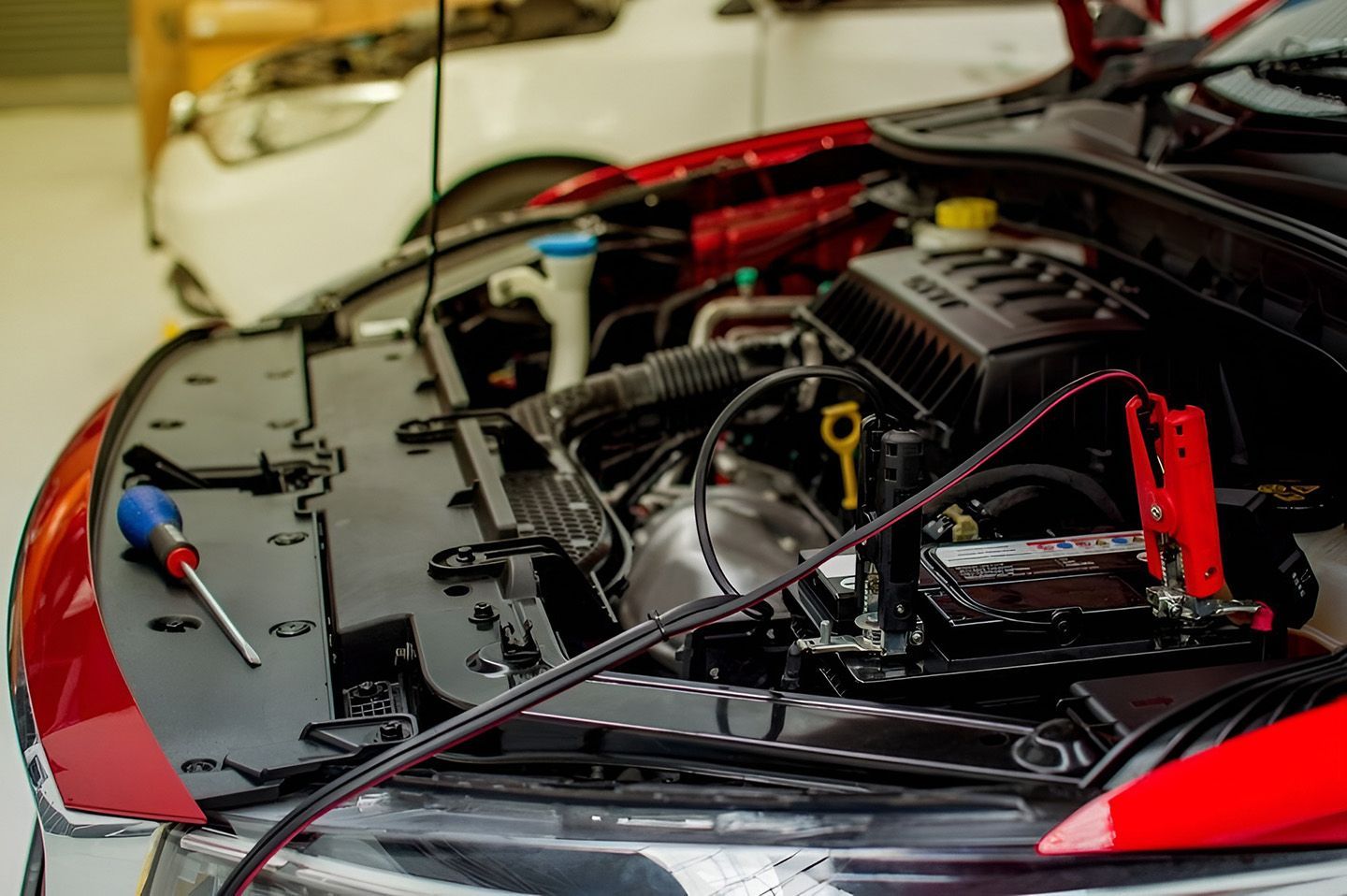
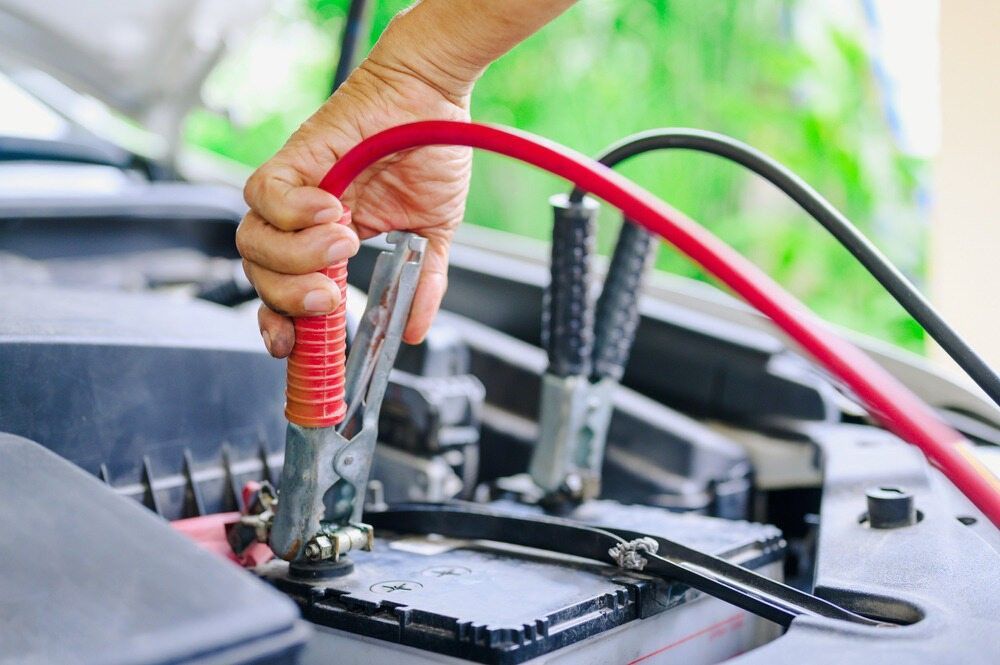
If the car repeatedly needs jump-starting, testing is preferable to continuing the cycle. A flat battery can be the symptom rather than the root cause, and replacing it without checking the vehicle may leave the original problem unresolved.
How Do You Get The Most From Your Battery Investment?
Getting good value from a car battery starts with buying the right product for the vehicle rather than simply choosing the cheapest option that fits in the battery tray.
Check the required battery specifications and consider how the vehicle is used. A daily commuter, stop-start vehicle, work ute and lightly used second car can place very different demands on their batteries.
When purchasing car batteries Central Coast, ask about the warranty that applies to the specific battery you're considering. Understand what documentation you need to retain and what to do if you suspect a warranty issue later.
Testing can also help you make better replacement decisions. If you're unsure whether the battery itself has failed or another electrical issue is contributing to the problem, diagnosing the cause can prevent unnecessary replacement.
And if the battery has already left you unable to start the vehicle, Central Coast Batteries offers mobile battery fitting to bring battery assistance to you.
A little attention before problems develop can make battery ownership much less stressful. Choose the correct battery, understand its warranty, watch for changing starting behaviour and have it tested when something doesn't feel right.
Frequently Asked Questions
How Do I Know if My Car Battery Is Still Under Warranty?
Check your purchase documentation and the warranty terms supplied with the battery. Coverage periods and conditions vary between brands and products, so don't assume the terms from a previous battery apply to your current one.
Does a Car Battery Warranty Cover a Flat Battery?
Not necessarily. A battery can become flat because of electrical drain, vehicle faults, accessories or other causes unrelated to a manufacturing defect. Testing can help determine why the battery lost charge before a warranty claim is assessed.
Does Frequently Driving Short Distances Affect a Car Battery?
It can. Starting the vehicle requires battery power, and repeated short journeys can make it harder for the charging system to replenish that energy fully, depending on the vehicle and driving conditions.
What Are the Most Common Signs That a Car Battery Is Failing?
Slow engine cranking, intermittent starting and repeated flat-battery problems can indicate a weakening battery. Because other vehicle faults can cause similar symptoms, testing is the best way to establish what's actually happening.
Should I Replace My Battery Based on Age Alone?
Not necessarily. Age is useful context, but battery condition and performance matter more than relying on a universal replacement schedule. If you're concerned about an ageing battery, have it tested.
Can Central Coast Batteries Replace a Battery at My Location?
Yes. Central Coast Batteries provides mobile battery fitting for motorists who need battery assistance without first getting the vehicle to a workshop. Contact the Central Coast Batteries team to discuss your vehicle and battery requirements.