How To Prevent A Flat Car Battery
You're running late, keys in hand — and the car won't start. That familiar clicking sound, or worse, complete silence, is the calling card of a flat battery. It's one of those problems that feels sudden but rarely is. In most cases, a battery has been signalling trouble for weeks.
Understanding why batteries fail and what you can do to stay ahead of it makes all the difference between a reliable vehicle and an unexpected roadside call-out. Car batteries Central Coast drivers depend on are put through their paces year-round, and a little preventative thinking goes a long way.
Why Car Batteries Go Flat
A car battery doesn't fail without reason. There's almost always an underlying cause, and identifying it early can save you from a full replacement ahead of schedule.
The most common culprits include:
- Leaving lights or accessories on when the engine is off
- Short trips that don't allow the alternator to recharge the battery fully
- An ageing battery that no longer holds a charge
- Extreme temperatures that accelerate internal deterioration
- A failing alternator not recharging the battery while you drive
Once you know what's draining your battery, you can take targeted steps before it becomes a problem on the road.
How Short Trips Affect Battery Life
It might seem harmless to pop out for a quick errand — but short, frequent trips are one of the most consistent contributors to premature battery failure. Starting the engine draws a large amount of energy, and the alternator needs sufficient run time to replenish it.
On short trips, it rarely gets the chance.
- Trips under 15 minutes rarely allow the battery to fully recharge
- Repeated partial charging gradually reduces overall battery capacity
- A battery maintenance charger can help offset this if you drive infrequently
If most of your driving involves school runs or quick local errands, factor this into how often you have your battery tested.
The Impact of Extreme Temperatures
Heat and cold both take a toll on battery performance, but in different ways. High temperatures cause internal fluid to evaporate, weakening the battery's structure over time. Cold conditions reduce the chemical reactions needed to generate power, forcing the battery to work harder on start-up.
- Park in shaded or undercover areas during hot months where possible
- Have your battery tested before summer and winter to confirm it can handle the load
- Avoid leaving the battery in a discharged state during cooler periods
A battery that's borderline in spring may fail completely by the time summer peaks.
Recognising Early Warning Signs
A battery rarely fails without warning — the trick is knowing what to look for. Many drivers ignore early symptoms because the car still starts, but intermittent issues usually mean things are heading in the wrong direction.
- A slow or laboured engine crank, especially on cooler mornings
- Dashboard warning lights, particularly the battery or check engine light
- Dimming headlights or interior lights at idle
- Electrical accessories behaving erratically — windows moving slowly, radio cutting out
- A swollen battery casing, which suggests heat damage
If any of these appear, organising a battery test sooner rather than later is the most straightforward way to avoid a full breakdown.
Regular Battery Testing
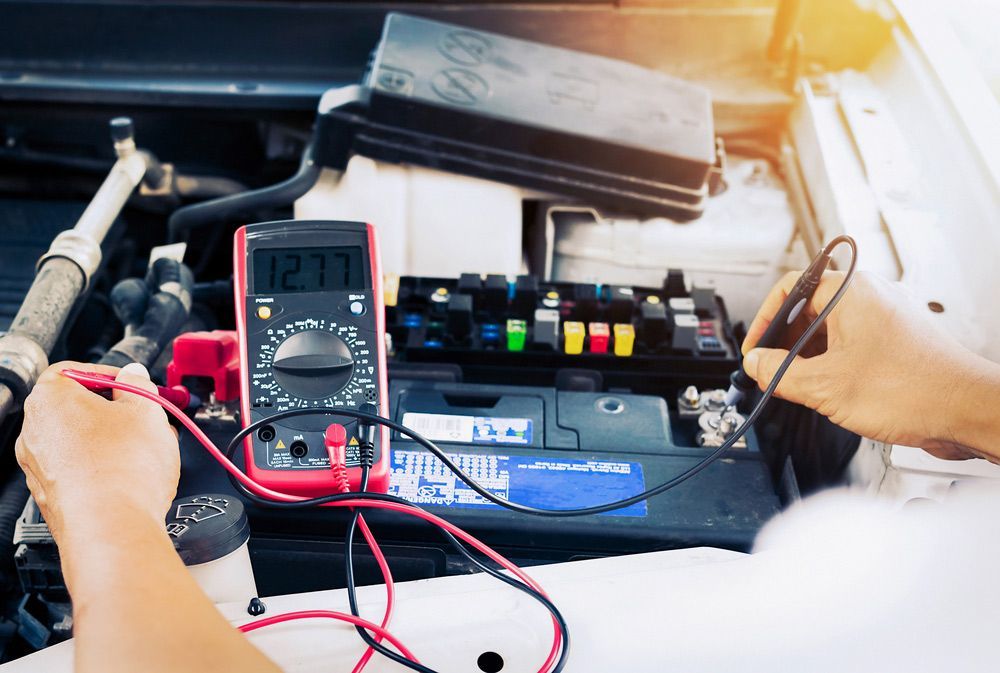
Battery testing is one of the simplest and most overlooked aspects of vehicle maintenance. It doesn't follow a set kilometre interval, but should still happen at least once a year — more often for older vehicles or those used in demanding conditions.
A proper test will check:
- Current charge level and whether the battery holds voltage under load
- Overall cell health and remaining capacity
- Whether the alternator is charging correctly while the engine runs
- Terminal connections for corrosion or looseness
It's a quick process that gives you a clear picture of where things stand and whether a replacement is on the horizon.
When to Replace Your Battery
Even with good habits, every battery has a finite lifespan. Most last between three and five years, though this varies depending on vehicle type, climate and usage patterns.
Signs it may be time for a replacement include:
- The battery is more than four years old and is showing performance issues
- It repeatedly loses charge with no obvious drain
- Testing reveals it can no longer hold adequate voltage under load
- The casing shows physical damage, swelling or leakage
- The vehicle has needed a jump start more than once in a short period
Replacing a battery at the right time — rather than waiting for a full failure — avoids the cost and inconvenience of emergency roadside assistance.
Reducing Electrical Drain
Modern vehicles draw power from the battery even when the engine is off — a process known as parasitic drain. A small amount is normal, but excessive drain will flatten a battery over time, particularly if the vehicle sits unused for several days.
- Turn off all interior, map and boot lights before leaving your vehicle
- Unplug phone chargers and other accessories from the 12V socket when not in use
- Check that glove box and boot lights switch off properly when closed
- Consider a battery isolator switch for extended periods of non-use
If the battery keeps going flat after just a few days, a professional electrical inspection can help identify the source of the drain.
Taking the Next Step
We at Central Coast Batteries work with everyday drivers who want to stay ahead of battery problems — not react to them. Whether you need a routine battery test, a replacement for an ageing unit or guidance on the right product for your vehicle, our team is here to help.
The Central Coast's coastal air and warm summers can be harder on batteries than many drivers realise, so having yours checked regularly is one of the most cost-effective things you can do for your vehicle. To book a test or talk through your options for car batteries on the Central Coast, get in touch or visit us in store.