Tips For Saving Money When Buying Batteries
Looking for tips on how to save money on batteries? It comes down to buying the right type for the job, checking dates before you pay and looking after what you own once you get it home. Most people overspend on batteries not because prices are high, but because they buy on autopilot – grabbing whatever's closest to the checkout without thinking about fit, freshness or lifespan. A few small changes to how you shop can add up to real savings over a year.
Why Smarter Battery Buying Saves You Money
Batteries are one of those everyday purchases that rarely get a second thought – until you're replacing the same one for the third time in twelve months. The real cost of a battery isn't the sticker price; it's the price divided by how long it actually lasts.
A cheap battery that dies in six months costs more per month than a quality one that lasts three years. This is where budget-friendly battery solutions come in: choosing based on total value rather than upfront cost, and buying from a supplier who can steer you toward the right product instead of just the cheapest one on the shelf.
Choose The Right Battery Type For The Job
Not all batteries are built the same, and using the wrong type for the job is one of the fastest ways to waste money. A battery designed for light, occasional use won't hold up under constant demand, and one built for heavy cycling is overkill for something you use twice a year.
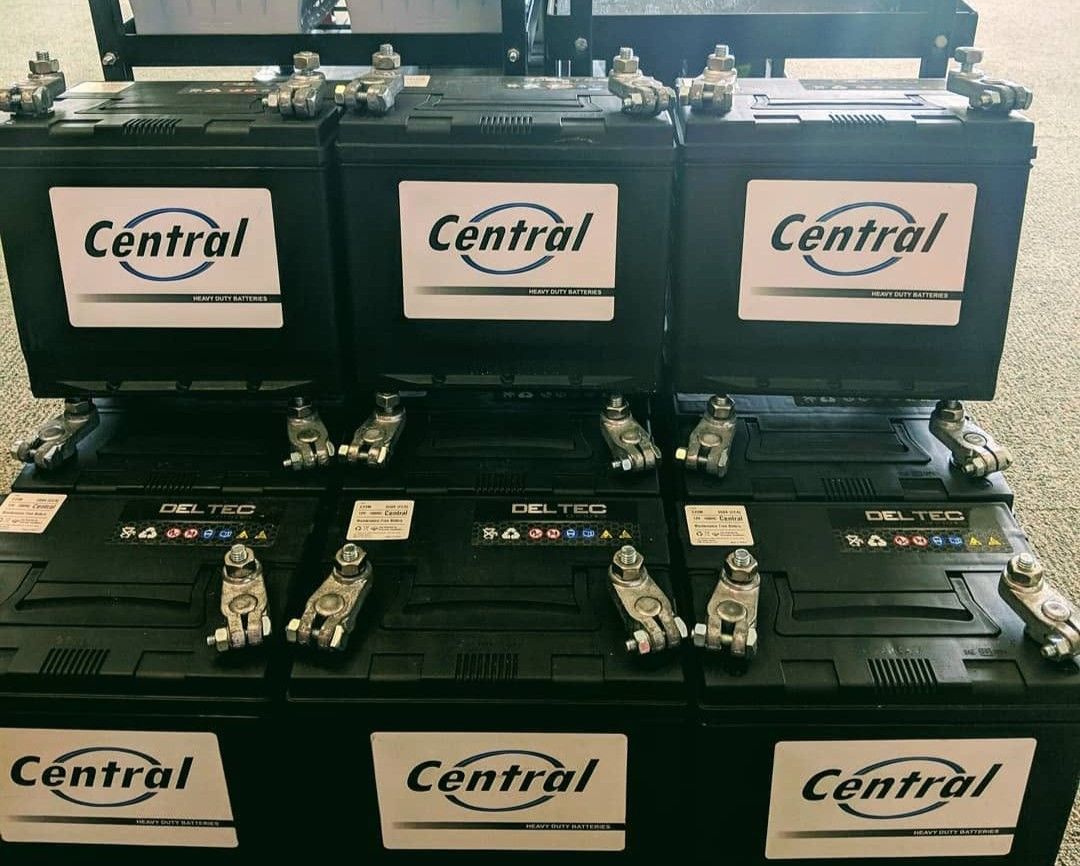
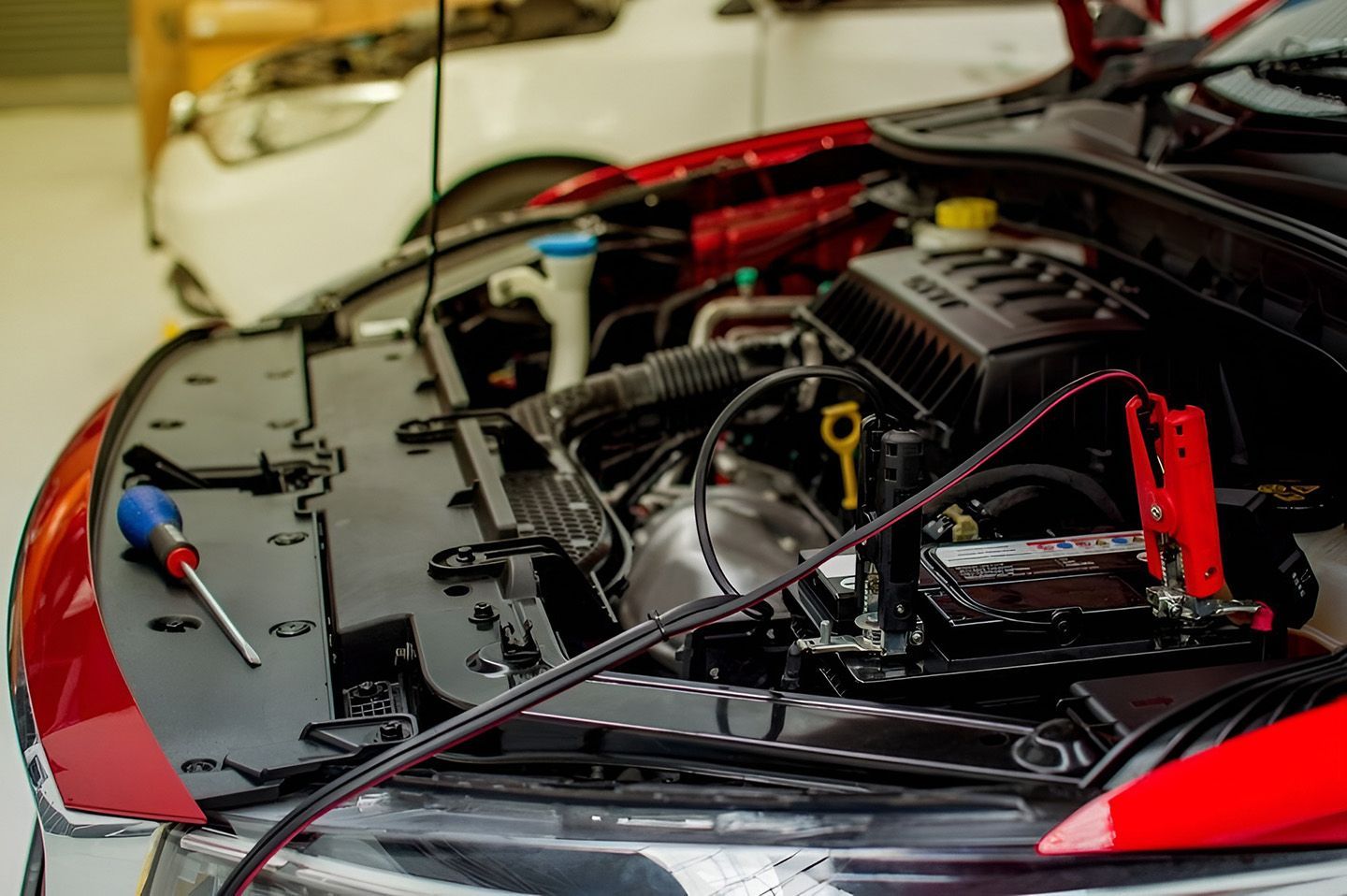
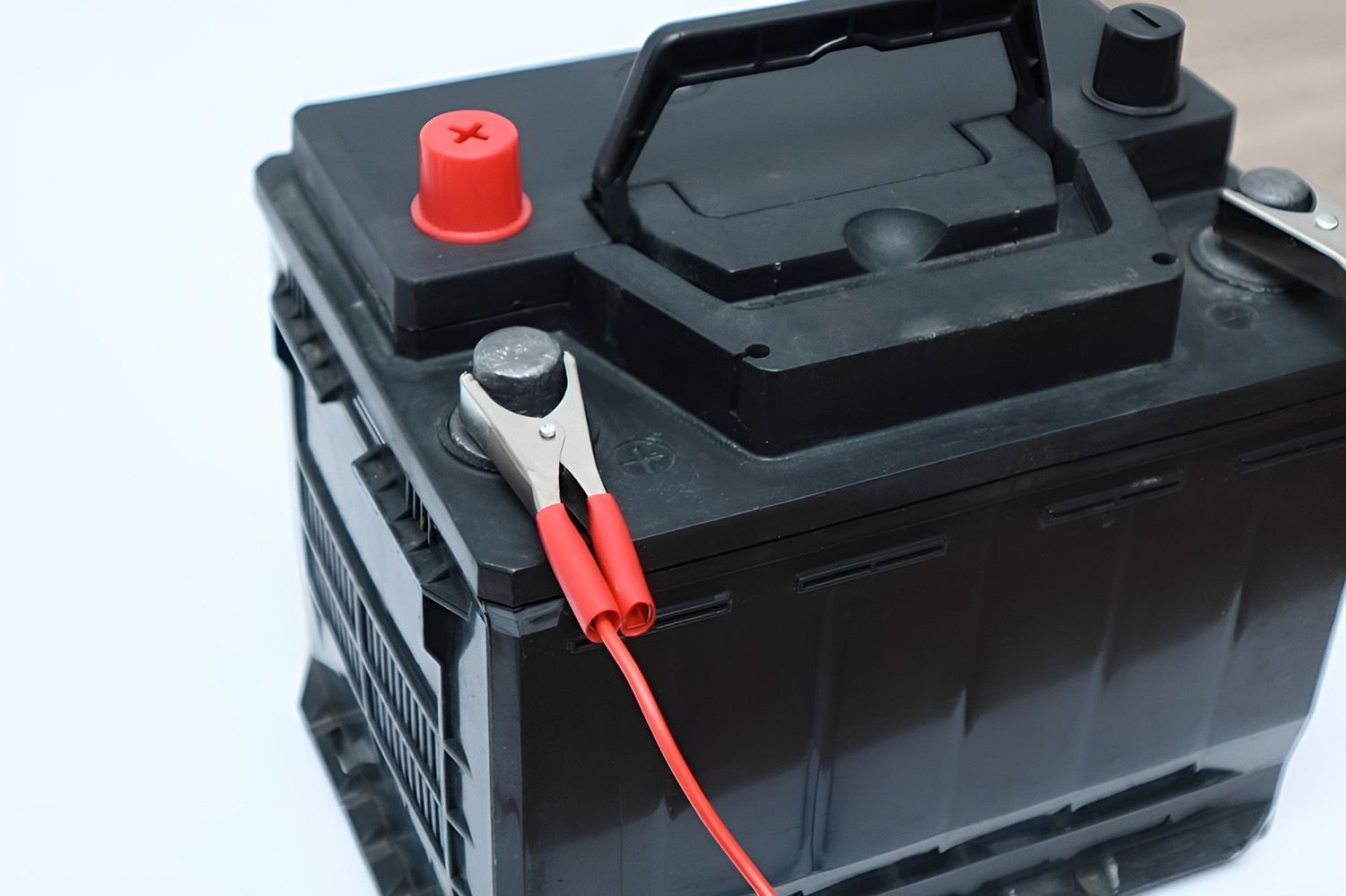
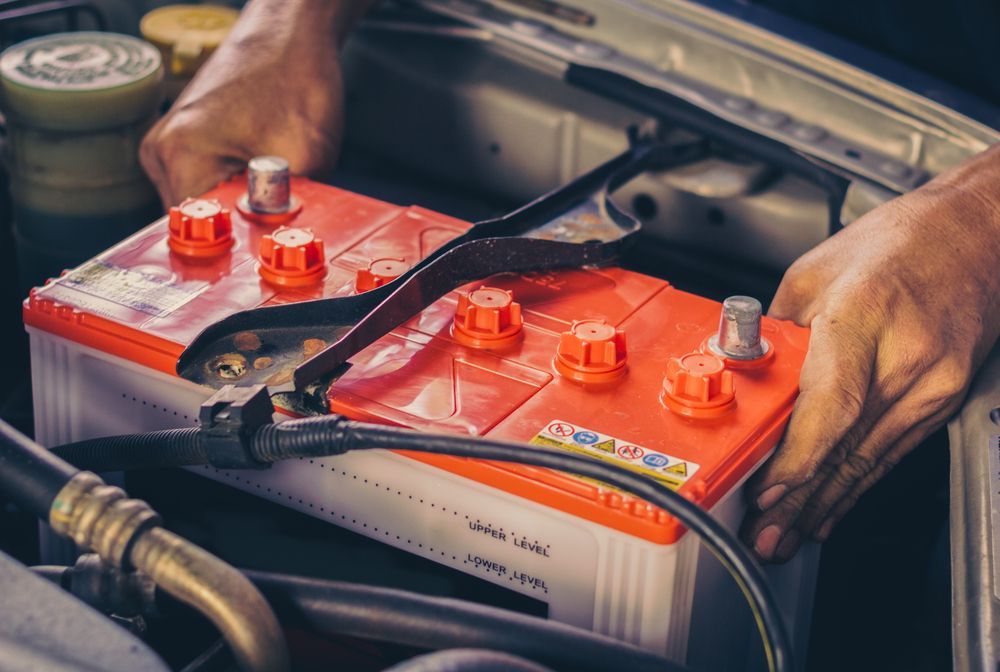
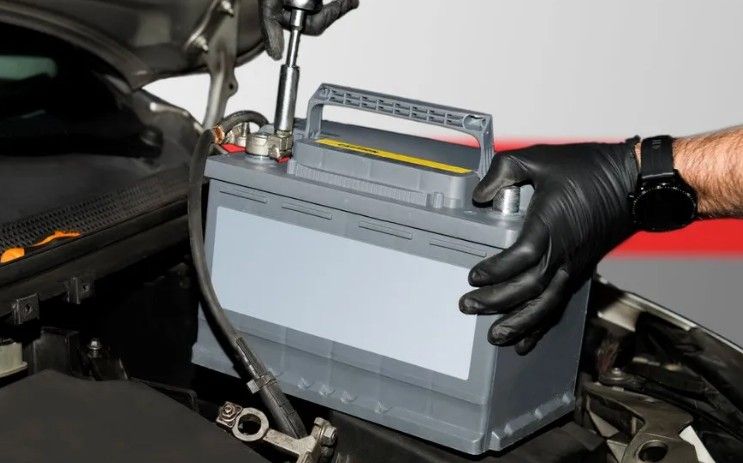
This matters just as much for vehicles as it does for household devices. Car batteries, for example, come in several formats – flooded lead-acid, AGM, EFB and gel – and each suits different driving habits and electrical loads. Picking the wrong one means either paying for performance you don't need or replacing a battery that couldn't handle your car's demands in the first place. If you're unsure what your vehicle needs, a proper look at car batteries from someone who knows the local range will save you from guessing.
The same logic applies to household batteries. Mobility scooters, golf buggies, marine setups and remote-control devices all have different power and cycling needs, and matching the battery to the application is the single biggest factor in getting your money's worth.
Buy In Bulk (When It Actually Makes Sense)
Buying in bulk can genuinely cut costs, but only for the right products. Items you go through regularly – AA and AAA batteries for remotes and toys, watch batteries or key fob batteries – are worth stocking up on, especially when there's a per-unit discount for buying more than one at a time.
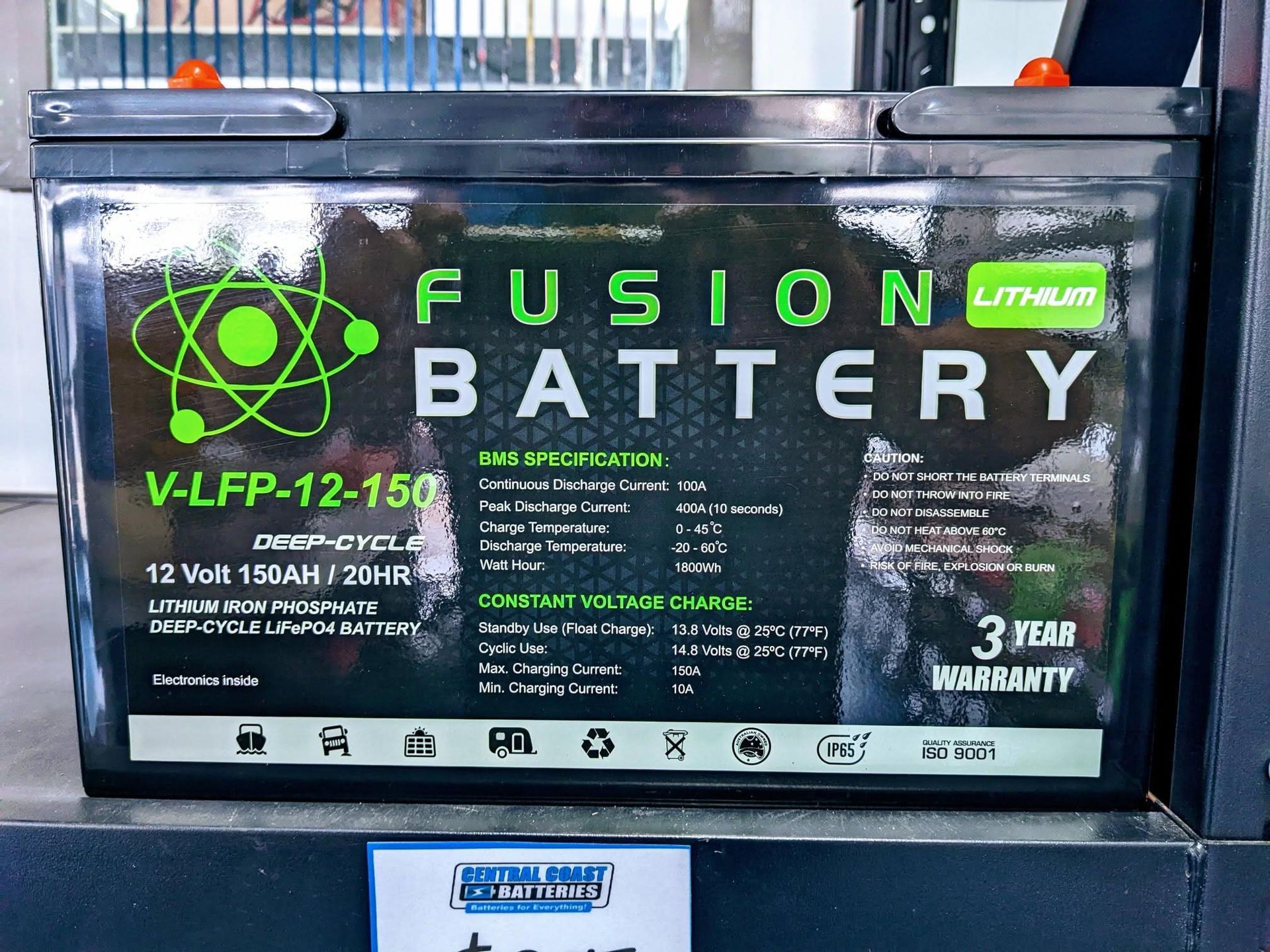
Bulk buying makes less sense for larger batteries with defined shelf lives, like AGM or lithium units, where storing spares for months or years can mean the battery loses charge or capacity before you even use it. As a general rule: bulk-buy the small, cheap, long-shelf-life items, and buy larger batteries closer to when you actually need them.
Compare Brands Instead Of Grabbing The First One You See
Brand loyalty at the checkout often costs more than it saves. Two batteries can look identical on the shelf and perform very differently once installed, and the most expensive option on display isn't automatically the best value.
According to industry best practice, it pays to compare warranty length, build quality and application suitability rather than price alone. A battery with a longer warranty period is generally backed by more confidence in its lifespan, which is a reasonable indicator of value even before you factor in performance. Independent battery retailers who stock multiple brands – rather than being tied to one manufacturer – are often better placed to recommend genuinely comparable options instead of pushing a single house brand regardless of fit.
Always Check The Expiry Date Before You Buy
Batteries lose charge sitting on a shelf, and an older battery – even one still within date – will have less remaining capacity than a fresher one. This is one of the simplest and most overlooked ways people accidentally waste money.
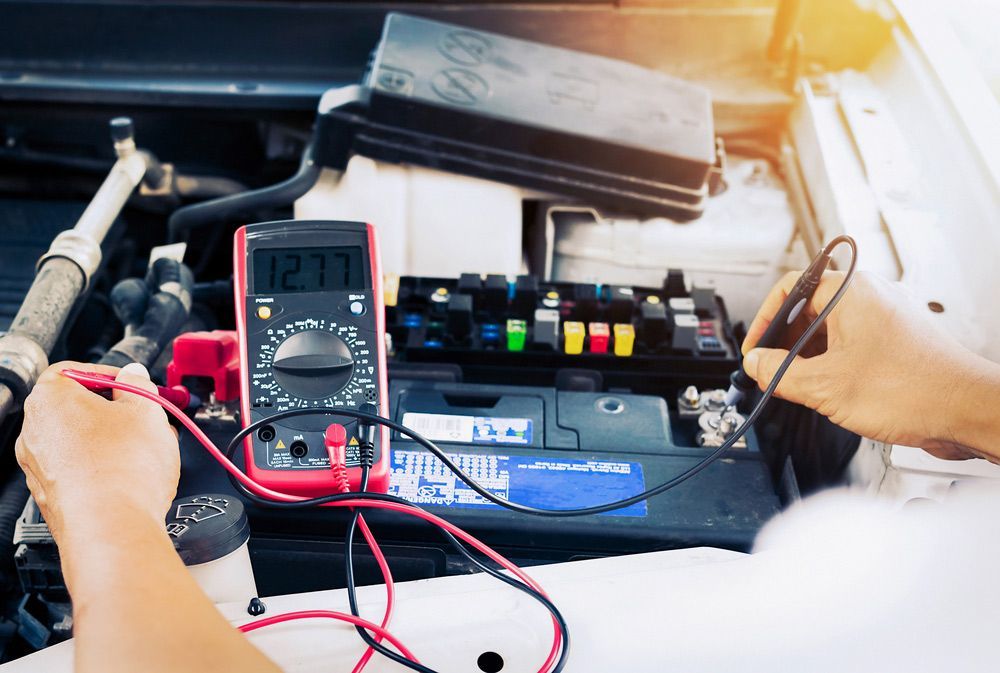
Before buying, especially for larger batteries like automotive, marine or mobility scooter units, check the manufacture date printed on the casing. A battery that's been sitting in storage for a year or more before it even reaches your car will naturally have a shorter useful life than a freshly stocked one, regardless of the warranty attached to it. If you're not sure how to read a date code, ask before you buy – it takes seconds and can save you a premature replacement. If a battery's already installed and you're not sure how much life is left in it, a quick battery testing check will tell you where it stands before you spend money on a replacement you might not need yet.
Rechargeable Batteries: Worth The Upfront Cost?
Rechargeable batteries cost more to buy initially, but for devices used often – remotes, torches, kids' toys, cameras – they tend to work out cheaper over time because a single rechargeable battery can replace dozens of disposables across its working life.
They're not the right choice for everything, though. Devices used rarely, or that sit unused for long stretches, are often better served by standard disposables, since rechargeable batteries can lose charge in storage and need topping up even when they're not in use. The decision comes down to frequency of use: high-use devices favour rechargeables, low-use or emergency-use devices (like torches kept for power outages) are usually better off with standard batteries that hold charge in storage for longer.
Simple Habits That Extend Battery Life
Buying well is only half the equation – how you treat a battery afterward has a big impact on how long it lasts. A few practical battery lifespan tips apply across almost every battery type:
- Store spare batteries in a cool, dry place, away from direct heat or sunlight, since heat accelerates the natural loss of charge.
- Avoid letting batteries sit fully depleted for long periods, particularly lead-acid and AGM types, as deep discharge without recharging shortens their working life.
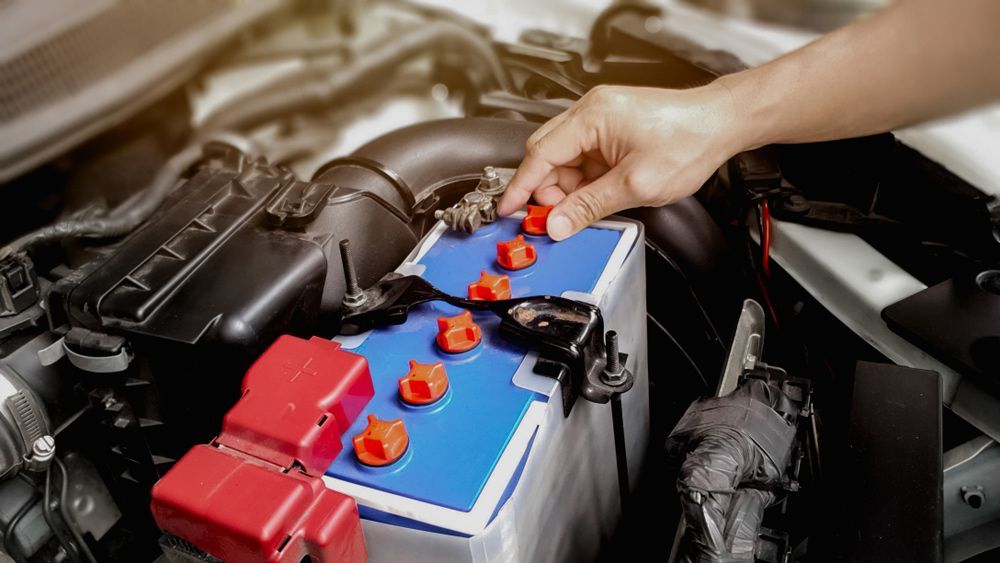
- Keep terminals clean and free of corrosion, since a poor connection forces a battery to work harder than it needs to.
- ·For rechargeables, avoid constant partial top-ups where possible and let them run down more fully before recharging, in line with the manufacturer's guidance for that battery chemistry.
None of these habits cost anything, but together they can meaningfully extend the life of a battery you've already paid for.
Get Expert Advice At Your Local Central Coast Battery Shop
The fastest way to avoid an expensive mistake is to ask someone who deals with batteries every day. A good local supplier can match a battery to your exact application, point out when a cheaper option genuinely won't hold up, and flag when a premium product is worth the extra spend.
If you're not sure what your car, boat, scooter or household device needs, it's worth having a chat before you buy rather than after something's failed. And if fitting a new battery yourself isn't practical, mobile battery fitting means someone can come to you and get it installed correctly on the spot — no guesswork, no wasted trip.
Contact Central Coast Batteries to learn more about how to save money on batteries today.
Frequently Asked Questions
What's the cheapest way to buy batteries without sacrificing quality?
Focus on total value rather than the lowest price tag. Compare warranty length and application suitability, and buy the right type for how the battery will actually be used. A slightly more expensive battery that lasts twice as long is the cheaper option in the end.
Is it worth buying batteries in bulk?
It depends on the type. Small, frequently used batteries like AA, AAA and coin cells are good bulk-buy candidates, while larger batteries such as AGM or lithium units are better bought closer to when you need them, since they can lose capacity in storage.
Do rechargeable batteries actually save money?
For devices used often, yes – the higher upfront cost is usually offset by not having to buy disposables repeatedly. For rarely used devices or emergency equipment, standard disposables that hold charge in storage for longer are often the more practical choice.
How can I tell if a battery is old before I buy it?
Check the manufacture date printed on the casing. A battery that's been sitting in stock for a long time will have less remaining life than a freshly manufactured one, even if it's technically still within its warranty period.
What's the biggest mistake people make when buying batteries?
Buying based on price alone without matching the battery type to the application. The wrong battery for the job – whether that's a car, a scooter or a household device – tends to fail early regardless of how cheap it was.
Can I extend the life of a battery I already own?
Yes. Keeping batteries cool and dry, avoiding full discharge on lead-acid and AGM types and keeping terminals clean all help. For rechargeables, following the manufacturer's charging guidance makes a noticeable difference over time.