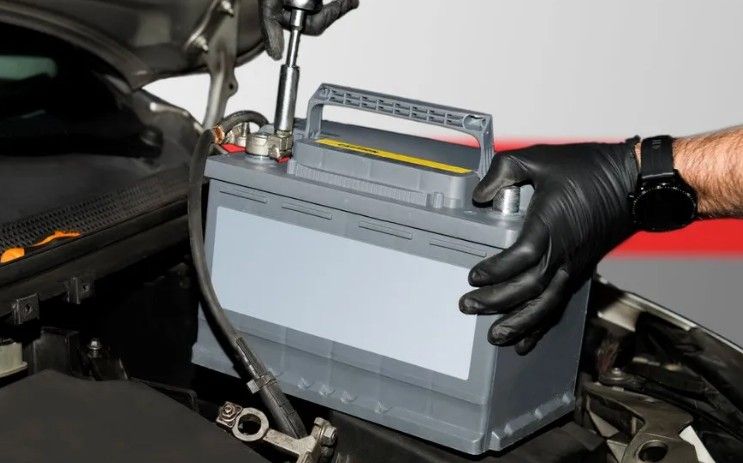
How To Jump Start A Car: A Step-By-Step Safety Guide
There’s never a convenient time for a flat battery. It might happen before work, after school pickup or while you’re parked at the shops trying to head home. One minute your car is fine, the next you’re turning the key and hearing nothing but clicking sounds or silence. For many drivers, knowing how to jump start a car can turn a stressful situation into something manageable.
A flat battery is one of the most common reasons drivers search for help with car batteries on the Central Coast. Whether you’ve accidentally left your headlights on overnight or your battery is reaching the end of its life, understanding the correct jump-start procedure can help you avoid damage to your vehicle and reduce safety risks.
Recognising the Signs of a Flat Battery
Not every car that won’t start has a battery problem, but there are a few common signs that point towards a flat or failing battery. Before reaching for jumper leads or a portable jump starter, it helps to know what you’re dealing with.
You may notice:
- The engine cranks slowly or struggles to turn over
- Dashboard lights appear dim or flicker
- You hear rapid clicking when turning the key
- Electrical features like power windows or interior lights stop working properly
- The car starts after a boost but struggles again later
If your vehicle has been sitting unused for a while or the weather has recently changed, battery issues can become more noticeable. Drivers searching for car batteries on the Central Coast often discover their battery has simply reached the point where it can no longer hold enough charge to start the vehicle reliably.
What You Need Before You Begin
Before attempting a car battery jump start, it’s important to have the right equipment and a safe location to work in. You’ll generally need either jumper leads connected to another vehicle or a portable jump starter pack.
Jumper leads require:
- A second vehicle with a working battery
- Quality jumper cables in good condition
- Enough space to safely position both vehicles without touching
Portable jump starter packs offer a more self-contained option. Many drivers now keep a jump starter in their boot for emergencies, particularly if they travel regularly or park in isolated areas.
Before starting:
- Park both vehicles safely & engage the handbrake
- Turn off both ignitions
- Remove loose jewellery or metal objects
- Keep cables clear of moving engine parts
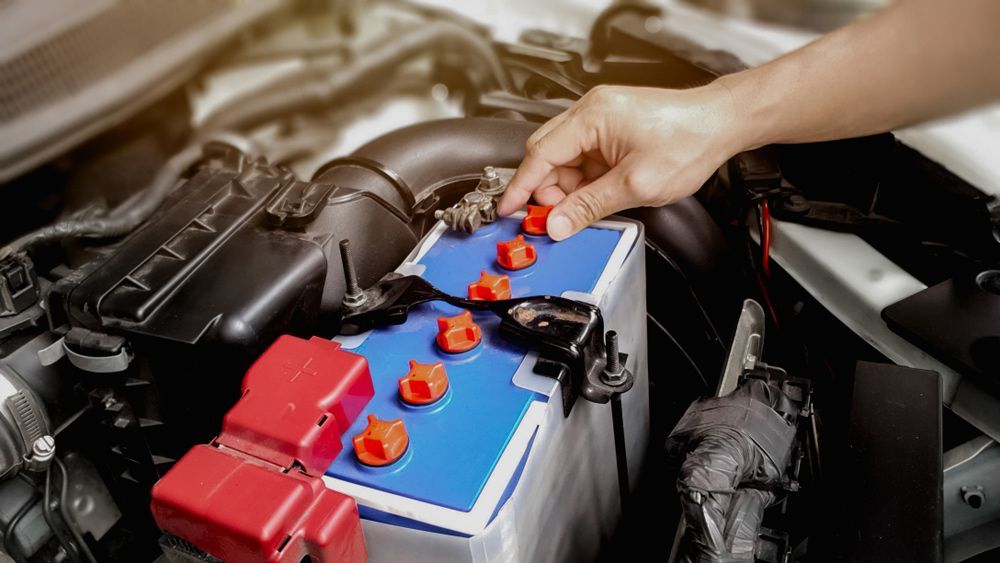
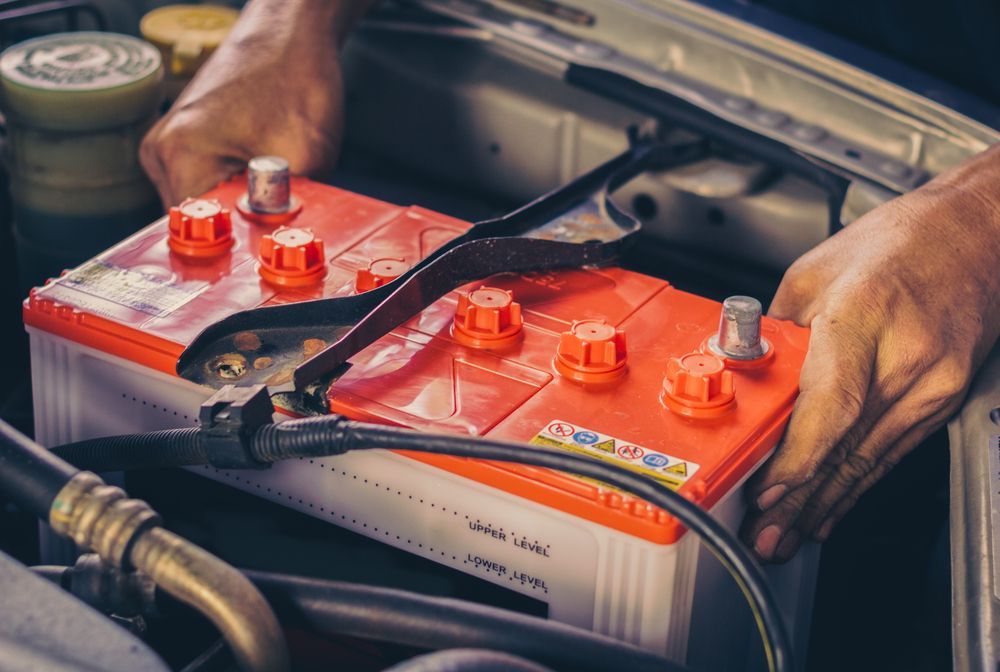
- Check the battery for cracks, leaks or visible damage
If the battery appears swollen, damaged or is leaking fluid, do not attempt to jump start it.
The Correct Order for Connecting Jumper Leads
One of the biggest mistakes drivers make when learning how to jump start a car is connecting the cables in the wrong order. Incorrect connections can damage electrical systems or create sparks near the battery.
Follow this sequence carefully:
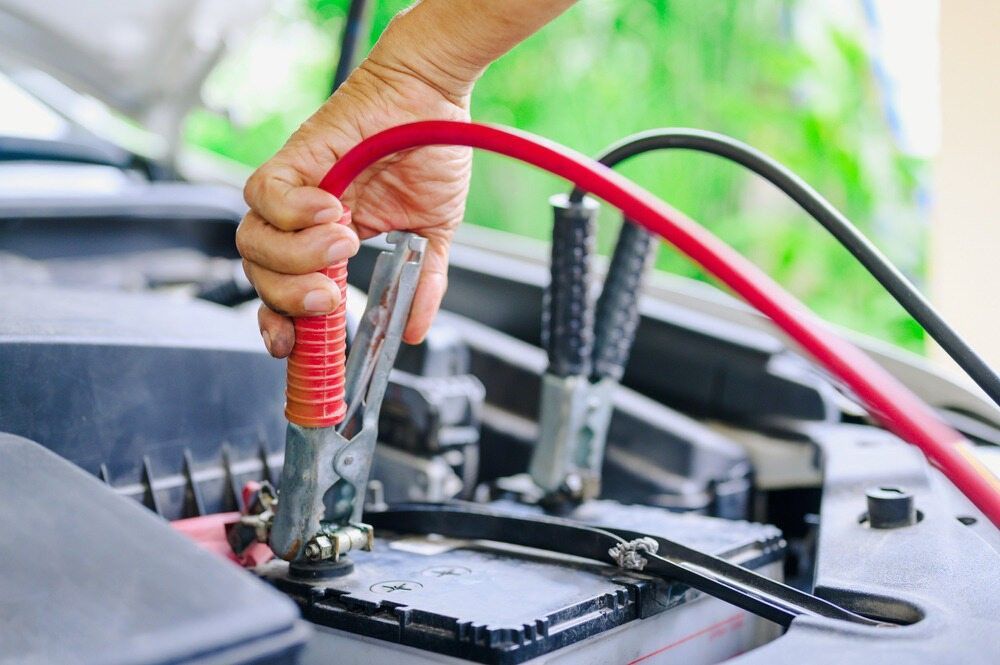
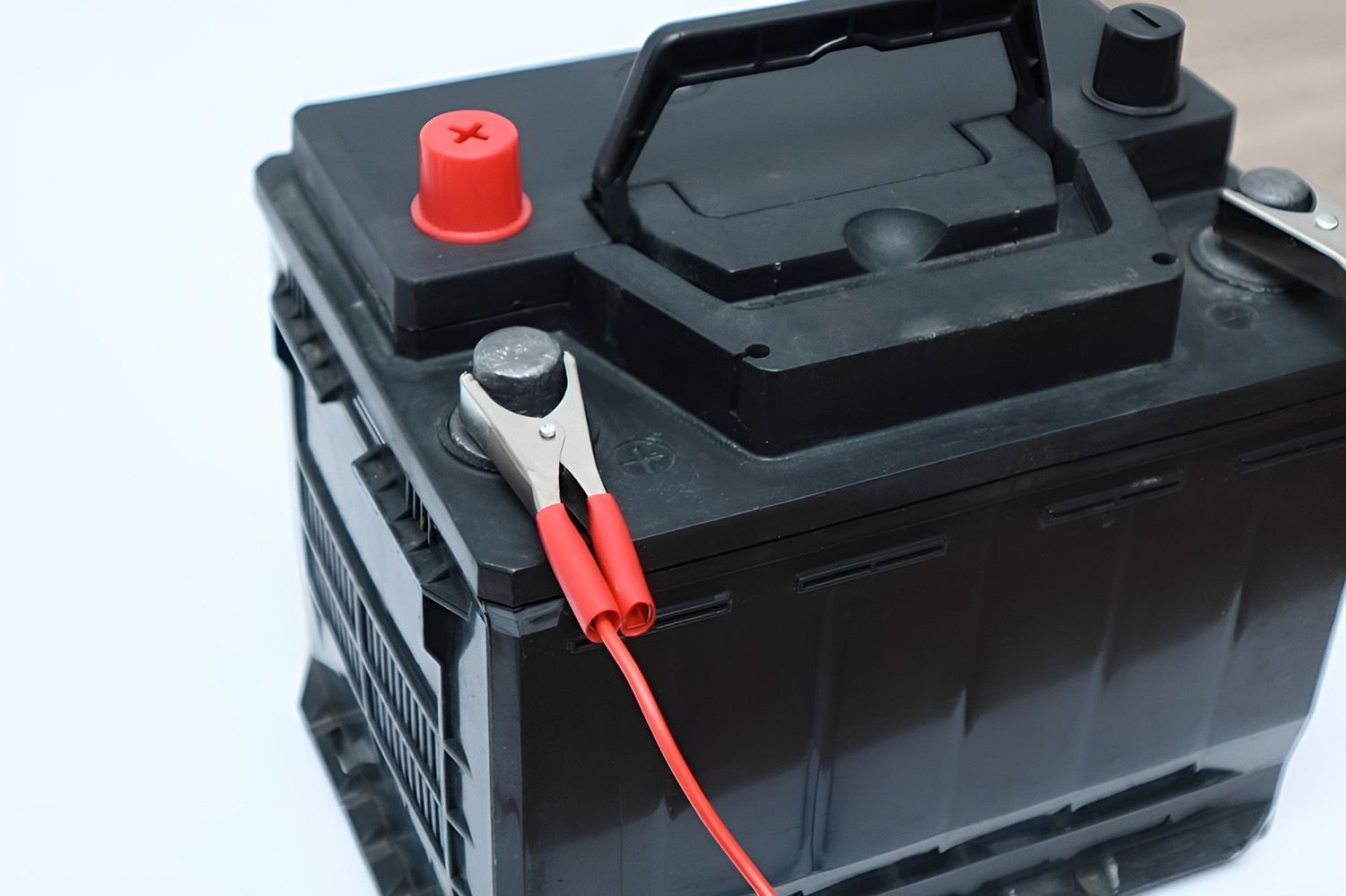
Step 1: Connect the Positive Cable to the Flat Battery
This is paragraph text. Click it or hit the Manage Text button to change the font, color, size, format, and more. To set up site-wide paragraph and title styles, go to Site Theme.
Step 2: Connect the Other Positive Clamp
Attach the other red clamp to the positive terminal of the working battery.
Step 3: Connect the Negative Clamp to the Working Battery
Attach the black negative clamp to the negative terminal on the working battery.
Step 4: Connect the Final Negative Clamp to an Earth Point
Rather than attaching the final clamp directly to the flat battery, connect it to an unpainted metal surface in the engine bay of the car with the flat battery. This reduces the risk of sparks near the battery itself.
Once connected:
- Start the working vehicle first
- Let it run for a minute or two
- Attempt to start the car with the flat battery
If the car starts, leave it running while disconnecting the leads in reverse order.
Using a Portable Jump Starter Safely
Portable jump starters have become increasingly popular because they remove the need for a second vehicle. They’re particularly useful when you’re parked alone at home, work or roadside.
Most portable units follow a similar process:
- Turn the jump starter off before connecting
- Attach positive clamp to the positive battery terminal
- Attach negative clamp to a metal earth point
- Turn the jump starter on
- Start the vehicle
Some modern units include reverse polarity protection, but it’s still important to double-check connections before powering on the device.
Keeping a jump starter in your vehicle can help during unexpected breakdowns, particularly if your battery tends to lose charge during colder months or periods of low use.
Common Mistakes that Can Damage Your Vehicle
A car battery jump start sounds straightforward, but several common errors can create expensive problems.
Mistakes to avoid include:
- Connecting positive & negative terminals incorrectly
- Letting jumper clamps touch together while connected
- Attempting to jump start a damaged battery
- Turning the ignition on before cables are properly attached
- Disconnecting cables too quickly after starting
- Using damaged or low-quality jumper leads
Modern vehicles contain sensitive electronics and onboard computer systems. Incorrect jump-start procedures can sometimes affect these systems or cause blown fuses.
Another common issue occurs when drivers assume a jump start will permanently solve the problem. If the battery repeatedly goes flat, there may be an underlying issue such as:
- An ageing battery
- Faulty alternator
- Loose battery terminals
- Electrical drain within the vehicle
If your battery struggles again shortly after being boosted, it may be time to look into a car battery that drivers commonly replace when their battery no longer holds charge properly.
When Jump Starting Won’t Work
Sometimes a jump start simply won’t solve the issue. Even with correct cable placement and a healthy donor battery, the vehicle may still refuse to start.
This can happen when:
- The battery has internally failed
- The starter motor is faulty
- The alternator is no longer charging
- Battery terminals are heavily corroded
- The vehicle has another electrical or mechanical fault
If the car starts briefly and immediately stalls, the charging system may not be functioning correctly.
Repeatedly attempting to jump start a failing battery can place additional strain on electrical components. If the car continues refusing to start, it’s usually safer to stop trying rather than risk further issues.
Drivers dealing with a car that won't start often discover the battery itself is beyond recovery and requires replacement on-site.
Knowing When to Call a Mobile Battery Service
Not every driver feels comfortable handling jumper leads, particularly at night, in bad weather or in unfamiliar locations. There are also situations where DIY jump starting simply isn’t practical.
You may want to contact a battery specialist if:
- You don’t have jumper leads or a jump starter
- You’re unsure which terminals to connect
- The battery appears damaged
- The vehicle still won’t start after boosting
- You suspect the battery needs replacement
- You’re stranded away from home
If you're stuck at home, work or roadside and don't have jumper leads, our mobile battery fitting service can come to your location and inspect the issue onsite.
Mobile battery services can often test the battery, check charging systems and fit a replacement battery without the need for towing. This can be particularly useful when the vehicle cannot be safely driven after being jump started.
Looking After Your Battery After a Jump Start
Once your car is running again, it’s worth taking a few extra steps to reduce the chances of another flat battery.
After a successful jump start:
- Drive the vehicle for at least 20-30 minutes if safe to do so
- Avoid turning the engine off immediately
- Check for corrosion around battery terminals
- Monitor how the car starts over the next few days
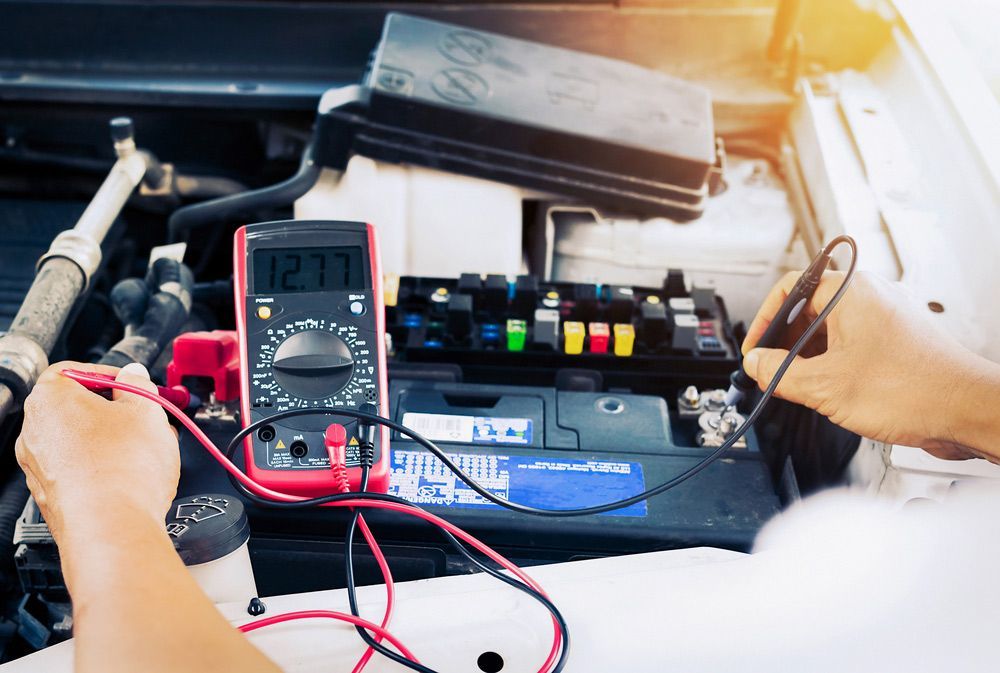
- Have the battery tested if problems continue
Short trips and long periods without driving can reduce battery charge over time. Batteries also naturally weaken as they age, particularly in vehicles exposed to heat, stop-start driving or extended inactivity.
If your battery won't hold a charge after a jump start, it may be time to replace it with a car battery used for daily reliability and roadside support.
Need Help with a Flat Battery?
At Central Coast Batteries, we can assist with battery testing, replacements, portable jump starters and on-site support for drivers across Long Jetty, The Entrance, Tuggerah, Gosford, Erina and Wyong. If your vehicle won’t start or your car batteries on the Central Coast continue going flat, contact us to arrange assistance or discuss suitable battery options for your vehicle.