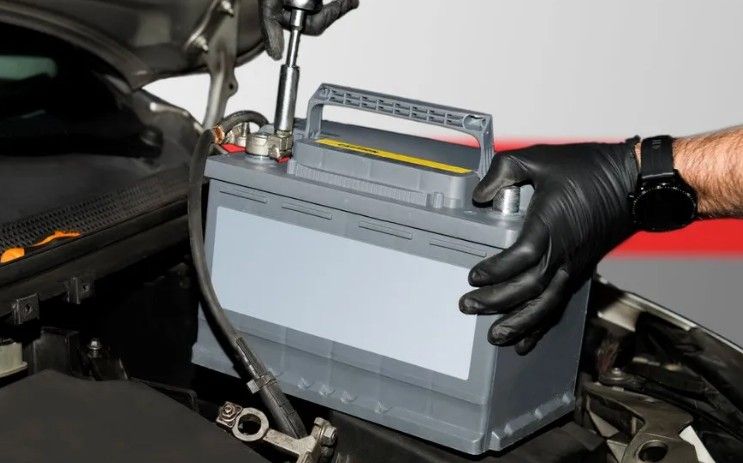
Top Maintenance Tips To Extend Your Car Battery’s Life On The Central Coast

Central Coast Batteries • December 5, 2025

A reliable car battery is essential for everyday driving, especially when you depend on your vehicle for work, school runs or weekend trips along the coast. But many drivers don’t think about their battery until it fails — often at the most inconvenient time. With the mix of humidity, salty air and stop–start driving common across the region, car batteries on the Central Coast can face more strain than batteries in cooler or drier climates. The good news is that a few simple habits can significantly extend your battery’s life and improve your vehicle’s overall reliability.


Whether you're a commuter, a tradie or someone who loves exploring the local beaches, understanding how to look after your battery can help you avoid unnecessary breakdowns. Below, we cover the key maintenance tips every Central Coast driver should know.

Why Central Coast Conditions Affect Battery Lifespan

The Central Coast’s coastal environment is beautiful — but tough on car batteries. Local conditions often lead to faster battery wear, including:

1. Humidity and Moisture

Moisture in the air can contribute to corrosion around terminals and connectors, reducing charging efficiency over time.

2. Salt Exposure

Vehicles driven near beaches or coastal roads can develop salt deposits on exposed battery parts, which may speed up deterioration.

3. Short Urban Trips

Frequent short drives around town may not give the alternator enough time to fully recharge the battery.

4. High Summer Temperatures

Heat speeds up internal chemical reactions that shorten battery life, making summers a particularly vulnerable period.

Because of these factors, consistent maintenance is especially important for drivers across the region.

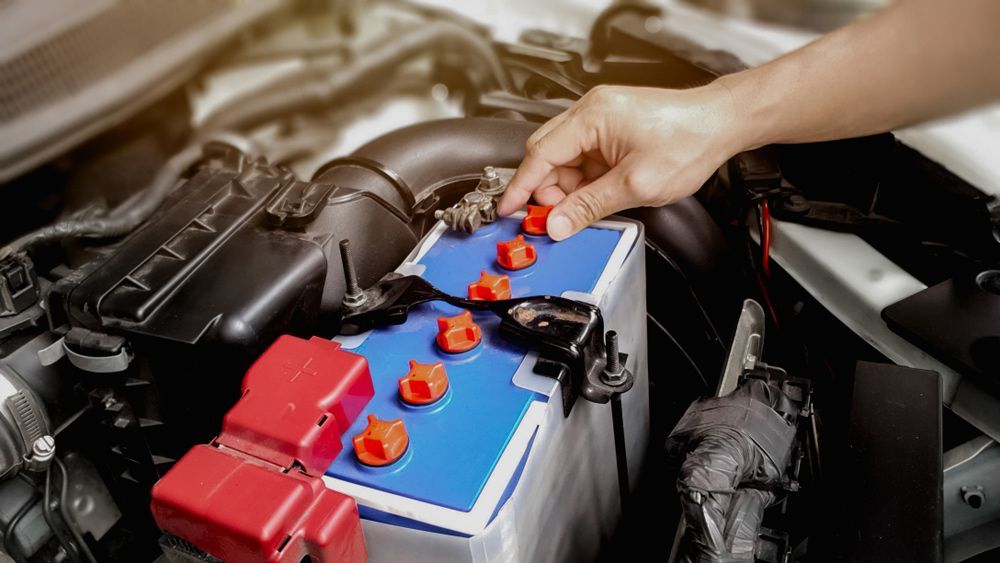
Tip 1: Check Battery Terminals for Corrosion Regularly

Corrosion is one of the most common issues affecting car batteries on the Central Coast. It appears as a white, blue or greenish powder on battery terminals and can interfere with the connection between the battery and the electrical system.


To prevent problems:


  • Inspect terminals every month
  • Look for signs of crusting or buildup
  • Have corrosion cleaned safely if needed
  • Use terminal protectant spray where suitable


If corrosion is left untreated, it may lead to poor starting power or prevent the battery from charging properly.

Tip 2: Keep the Battery Fully Charged

A battery that frequently drops below full charge may wear out more quickly. This is particularly common for drivers who only make short trips or use their vehicle occasionally.


Ways to maintain a healthy charge include:


  • Taking your vehicle for longer drives once a week
  • Avoiding long periods of non-use
  • Using a trickle charger if the vehicle is parked for extended periods
  • Limiting electrical use when the engine isn’t running


Keeping your battery charged helps prevent sulphation — a buildup that reduces battery capacity.

Tip 3: Inspect Battery Connections and Cables

Loose, frayed or damaged battery cables can cause intermittent electrical issues that affect starting, charging and overall vehicle performance.


During routine checks:


  • Make sure terminals are tight
  • Check that cables aren’t cracked
  • Ensure there’s no movement in the connection
  • Look for exposed wiring or worn insulation


A battery can only function well when all electrical connections are secure.

Tip 4: Avoid Frequent Short Trips

Short trips are one of the fastest ways to reduce battery lifespan. Each time you start your car, the battery uses a noticeable burst of energy. It takes several kilometres of driving for the alternator to replace that charge.


If possible:


  • Combine short errands into a single trip
  • Allow the engine to run longer during regular drives
  • Avoid repeated stop–start trips on cold mornings


Driving just a little longer each time helps your battery recharge fully.

Tip 5: Minimise Use of Electronics While Parked

Accessories such as headlights, air conditioning, stereo systems and charging devices draw power from the battery when the engine is off. Repeated use can drain the battery prematurely.


To avoid unnecessary load:


  • Turn off interior lights before leaving the vehicle
  • Avoid using accessories without the engine running
  • Unplug chargers when not in use


These small habits help preserve battery health, especially during winter or rainy seasons when you may rely more on lights.

Tip 6: Keep the Battery Clean and Dry

Dust, moisture and debris can create conductive paths that slowly drain the battery. The Central Coast’s humidity increases this risk.


To maintain battery cleanliness:


  • Wipe the battery casing occasionally
  • Keep the top of the battery dry
  • Check for residue after beach trips
  • Ask for a battery clean during servicing


A clean battery functions more reliably and avoids unnecessary power loss.

Tip 7: Secure the Battery Properly

A battery that isn’t firmly secured can vibrate excessively, especially on uneven roads. Vibration damages internal components and can crack the casing.


Always make sure:


  • The battery clamp is firmly fastened
  • The battery tray is not rusted or loose
  • There’s no rattling when the car is idling


Tight mounting helps protect the battery from internal damage.

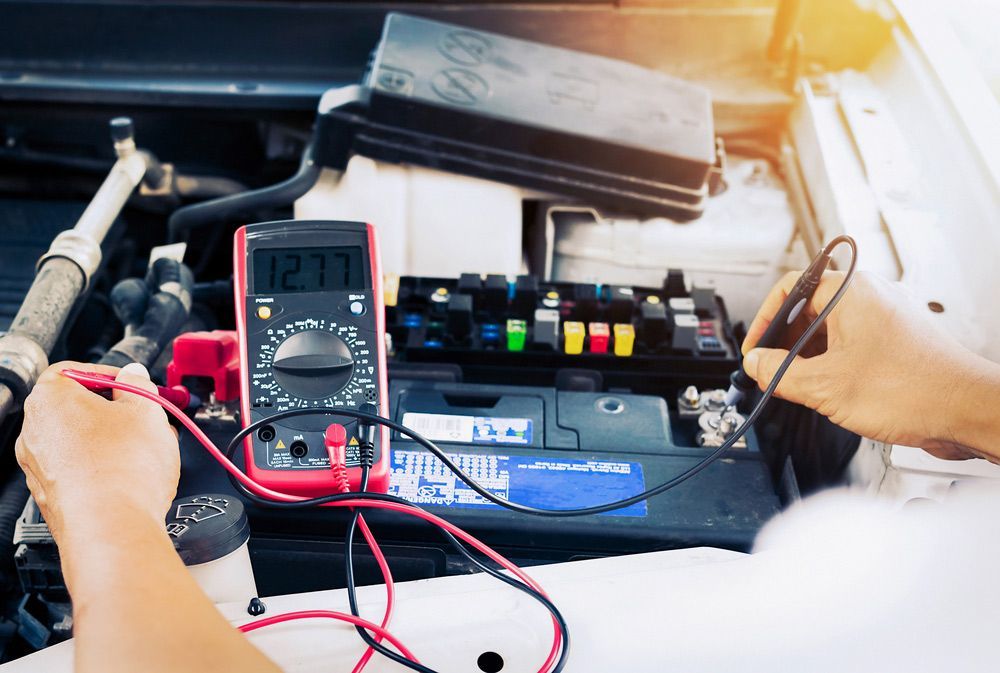
Tip 8: Get the Battery Tested Before Seasonal Changes

Batteries often fail during the first cold snap of winter or the hottest period of summer. Seasonal changes put extra strain on electrical systems.


It’s helpful to get your battery tested:


  • At the start of winter
  • Before summer road trips
  • After long periods of storage
  • If your vehicle has been harder to start lately


Testing helps identify early signs of battery fatigue.

Tip 9: Listen for Slow Cranking or Electrical Issues

A healthy battery has consistent starting power. If you hear slow cranking or notice flickering lights, it may indicate declining battery performance.


Watch for:


  • Engine turning over slowly
  • Dashboard lights dimming
  • Electrical accessories working intermittently
  • Clicking sounds when turning the key


These early warnings are a good reason to have your battery checked.

Tip 10: Replace the Battery When It Reaches Its Expected Lifespan

Most car batteries last around three to five years depending on driving habits, climate and overall care. On the Central Coast, humidity and heat may shorten this lifespan.


If your battery is ageing, replacing it before it fails can help prevent unexpected breakdowns — especially during peak weather seasons or busy travel periods.

Why Battery Maintenance Matters for Central Coast Drivers

Regular battery maintenance offers several important benefits:


  • Helps reduce the risk of roadside breakdowns
  • Supports smoother starting performance
  • Helps protect electrical systems
  • May extend overall battery lifespan
  • Helps maintain reliability during hot and humid conditions


With a bit of routine care, drivers can avoid many common battery issues.

Car Batteries on the Central Coast – Testing, Replacement and Fast Roadside Help

At Central Coast Batteries, we support drivers across the Central Coast with battery testing, maintenance checks, replacement services and fast roadside assistance when unexpected breakdowns occur. If you want to learn more about caring for car batteries on the Central Coast or need help with a weak, flat or ageing battery, visit our website or explore our battery range to stay powered and confident on the road.

Testing A Car Battery Voltage
By Central Coast Batteries Tuggerah Lakes November 18, 2025
Learn what to check when your car won't start and get reliable tips on batteries in Tuggerah Lakes to stay prepared. Read more today.