A flat car battery always seems to happen at the worst possible moment. Whether you're about to leave for work, heading out on a road trip, or running errands, battery issues can quickly disrupt your day. Knowing how to safely test and charge your battery can help prevent unexpected breakdowns and reduce unnecessary stress.
For drivers relying on
car batteries on the Central Coast, understanding a few basic maintenance and testing steps can make a significant difference in keeping vehicles running smoothly.
Why Testing Your Car Battery Matters Before It Fails
A car battery rarely fails without warning. In many cases, small signs appear before a battery loses its ability to start your vehicle. Testing your battery regularly helps identify these warning signals early, giving you time to address issues before you’re left with a flat battery.
Routine testing is especially useful because modern vehicles rely heavily on electrical systems. Even a slightly weakened battery can affect vehicle performance and reliability.
Common warning signs include:
- Slow engine cranking when starting the car
- Electrical systems behaving inconsistently
- Headlights appearing dimmer than usual
- Dashboard battery warning lights appearing
- The battery being more than three to five years old
If these signs appear, testing your battery can help determine whether it simply needs charging or if replacement may be required.
How to Check Your Car Battery Voltage at Home
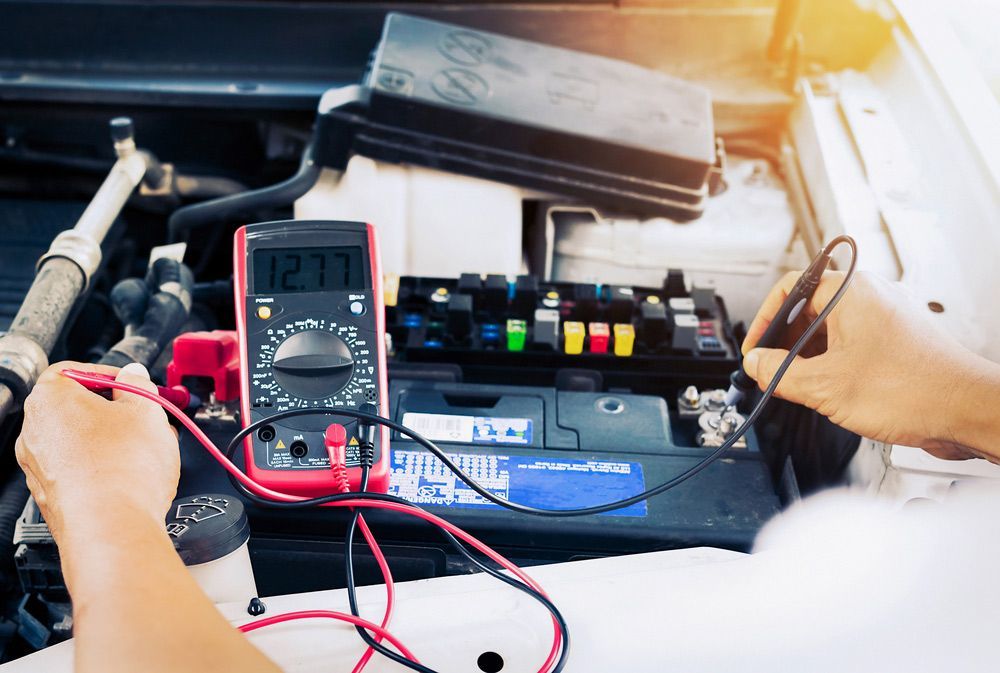
Testing your battery voltage at home is relatively simple with the right tools. A digital multimeter can quickly show whether your battery still holds a healthy charge. Before testing, ensure the vehicle is switched off and has been sitting for a short time. This allows the battery reading to stabilise.
A general guide to battery voltage readings includes:
- Around
12.6 volts – battery is fully charged
- Around 12.4 volts – battery is moderately charged
- Around 12.0 volts or lower – battery may need charging or replacement
When testing your battery, it’s important to connect the multimeter leads correctly and avoid touching metal surfaces during testing. If readings appear inconsistent, professional testing services that supply
car batteries Central Coast can confirm whether your battery is still functioning properly.
Signs Your Car Battery May Need Charging or Replacement
Sometimes a battery simply needs charging after being drained by lights left on or extended periods of inactivity. In other cases, a battery may have reached the end of its lifespan. Recognising the difference between these situations can help avoid unnecessary replacement while ensuring your vehicle remains reliable.
Drivers should watch for warning signs, such as:
- The engine struggling to start, particularly in colder conditions
- Interior lights or dashboard displays fading when starting the vehicle
- Electrical accessories responding slowly
- Repeated need for jump-starts
- A battery that no longer holds charge overnight
When these symptoms occur frequently, a battery inspection may reveal whether charging can restore it or if replacing it with a new
Central Coast car battery is the more practical option.
The Safest Way to Jump-Start a Flat Battery
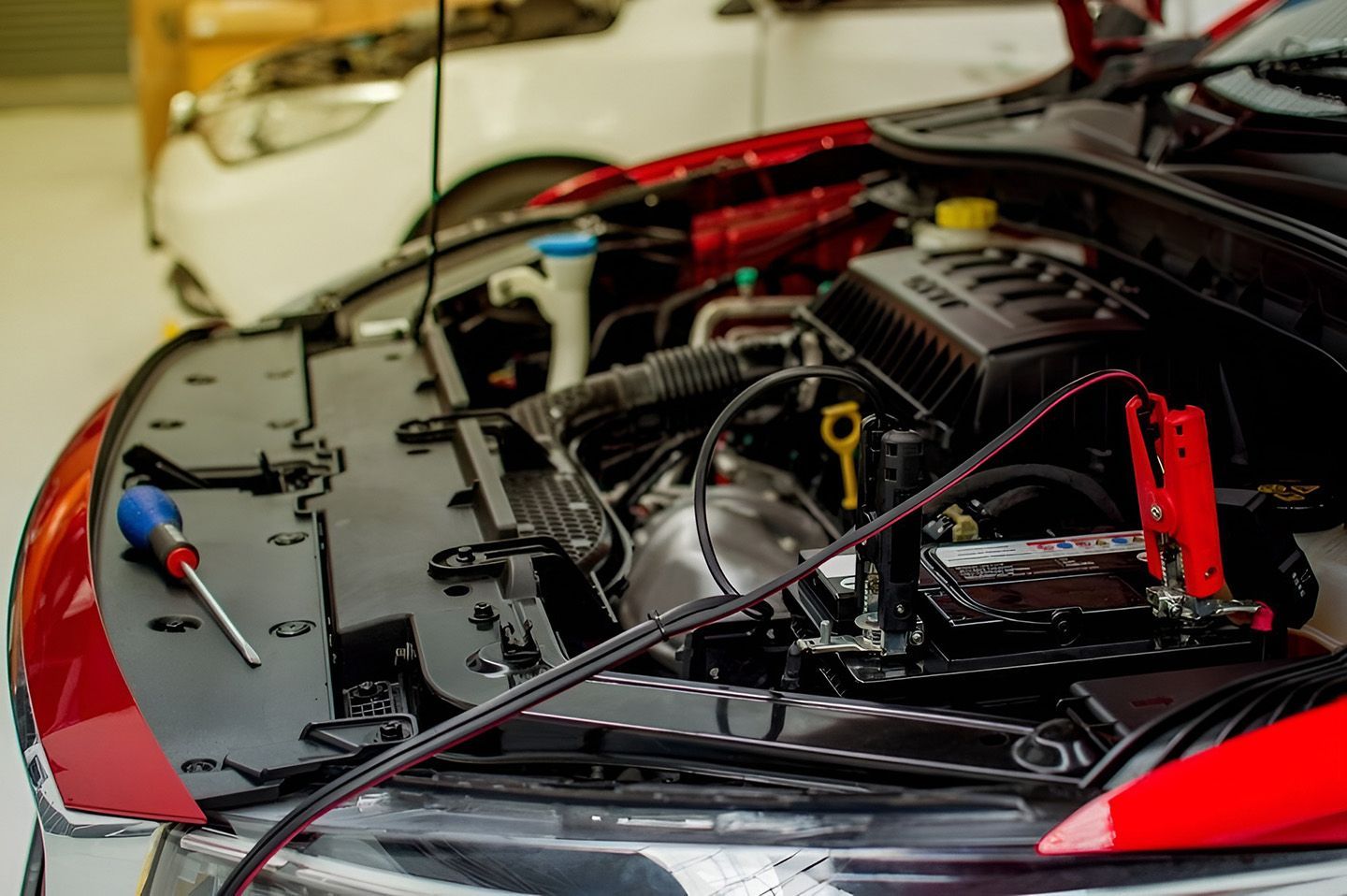
Jump-starting a vehicle is a common way to restart a car with a flat battery. However, incorrect jump-starting procedures can damage electrical systems or even create safety risks. Before beginning, it’s important to confirm that both vehicles use compatible battery voltages and to inspect cables for any damage.
Safe jump-start steps typically include:
- Position vehicles close together without allowing them to touch
- Connect the positive cable to the flat battery first
- Connect the positive cable to the donor battery
- Attach the negative cable to the donor battery
- Connect the final negative clamp to an unpainted metal surface on the disabled vehicle
Once the car starts, allow the engine to run for several minutes so the battery can recharge slightly before driving.
Using a Battery Charger Correctly: What Drivers Should Know
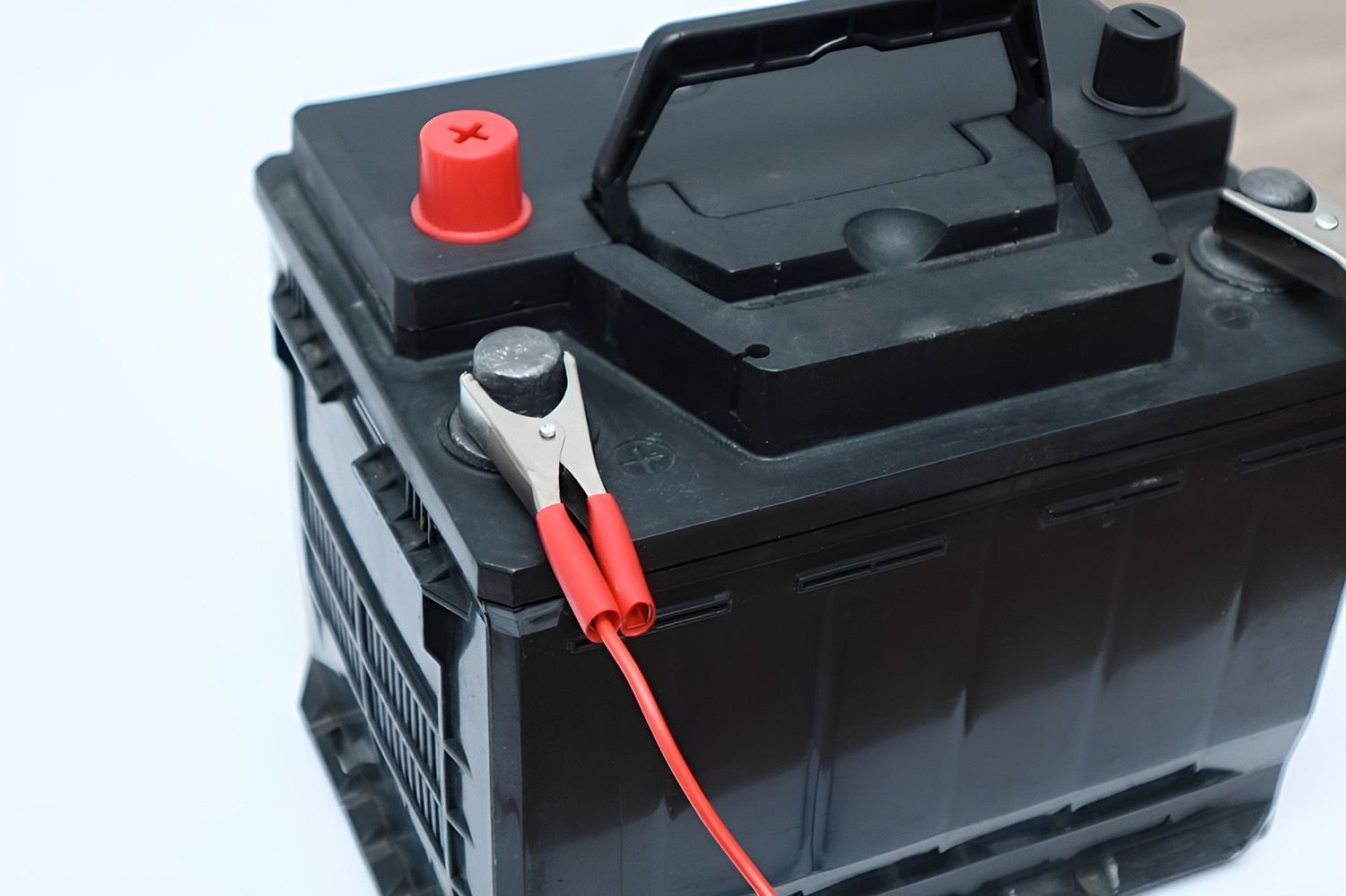
A battery charger can be useful when a vehicle battery has lost charge but is still in good condition. Charging slowly and correctly can restore battery function without causing damage. Battery chargers vary in design, but most follow similar connection steps. Always consult the manufacturer’s instructions before charging.
When using a charger, remember these key points:
- Ensure the charger is switched off before connecting cables
- Connect the positive clamp to the positive terminal first
- Attach the negative clamp to the negative terminal
- Select the correct charging mode for your battery type
- Allow sufficient time for the battery to charge fully
Charging too quickly can generate excessive heat, which may shorten battery life.
When Charging Isn’t Enough: Knowing When to Replace Your Battery
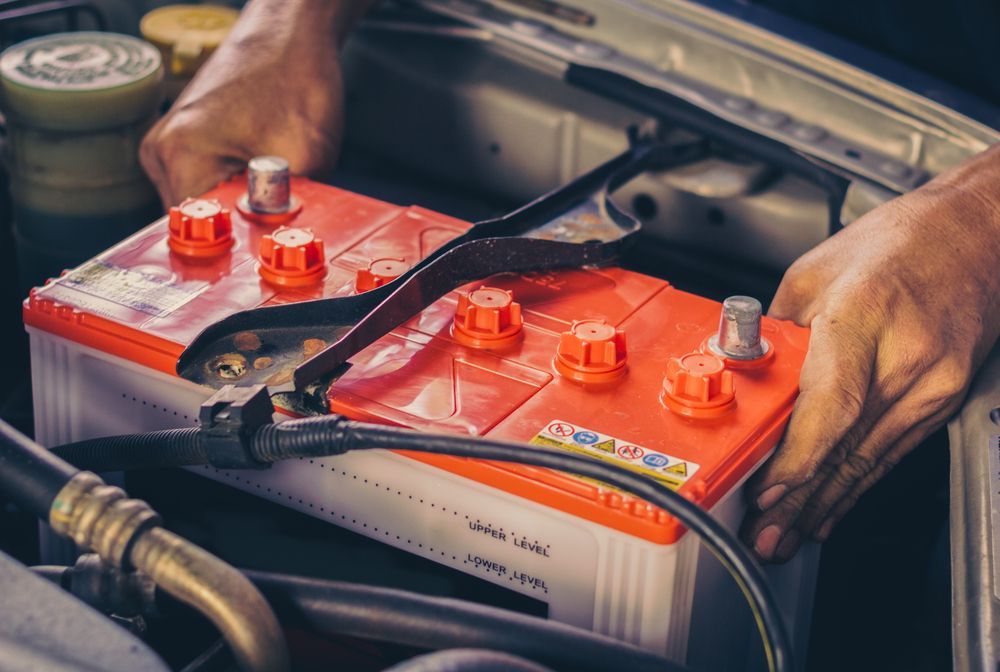
While charging can solve some battery problems, it won’t resolve issues caused by internal battery damage or ageing components. Over time, chemical reactions within the battery reduce its ability to hold a charge. Most vehicle batteries last between three and five years, depending on usage, climate conditions and driving habits, particularly for vehicles using
automotive batteries across the Central Coast.
Signs that replacement may be necessary include:
- The battery repeatedly losing charge
- Voltage readings remaining low after charging
- Visible corrosion around battery terminals
- Swelling or damage to the battery casing
- Frequent electrical system warnings
Replacing a worn battery ensures your vehicle continues to start reliably and supports modern electrical systems.
How Professional Battery Services Help Drivers Stay on the Road
Battery issues can sometimes be difficult to diagnose without proper testing equipment. Professional battery services, including
mobile car battery replacement Central Coast, can perform more detailed inspections and confirm whether the battery, charging system or another component is responsible.
These services often provide practical assistance, including:
- Accurate battery testing equipment
- Guidance on suitable battery types for different vehicles
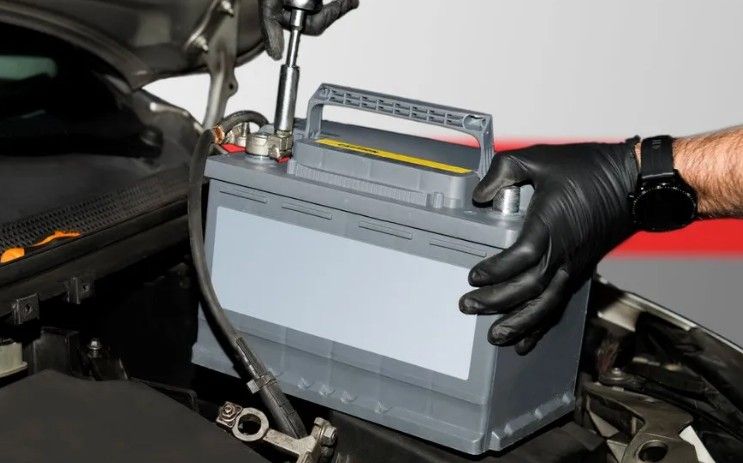
- Safe battery installation
- Disposal of old batteries in accordance with regulations
- Troubleshooting of starting or charging problems
This support can simplify the process for drivers who prefer professional assistance when dealing with battery-related issues.
Preventative Battery Care Tips for Everyday Drivers
Maintaining a healthy battery is often easier than dealing with unexpected failures. Small habits can significantly extend battery lifespan and reduce the likelihood of sudden problems. Drivers can improve battery reliability by following a few practical habits.
Helpful preventative steps include:
- Driving regularly to keep the battery charged
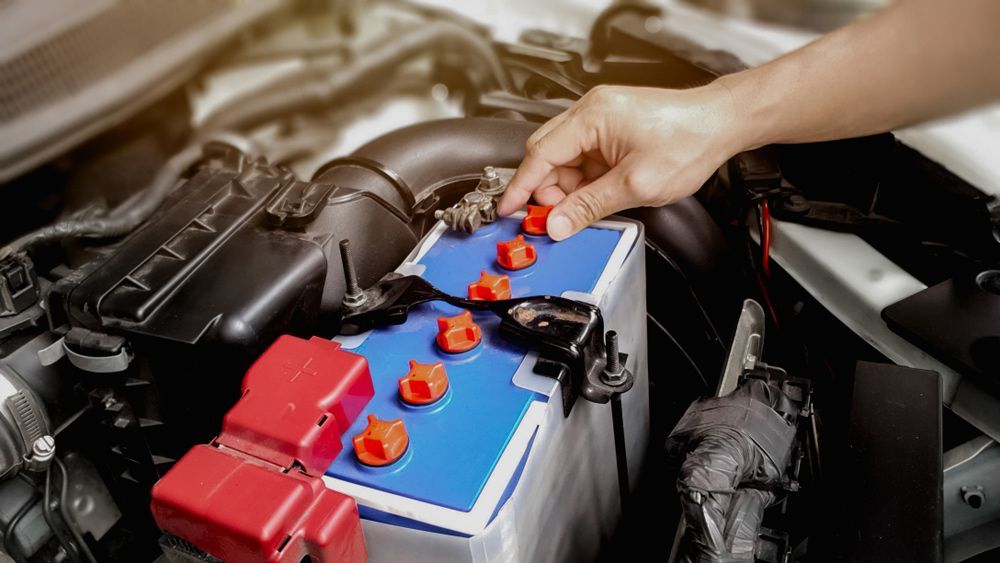
- Checking battery terminals for corrosion
- Ensuring lights & accessories are switched off when leaving the vehicle
- Having the battery tested during routine vehicle servicing
- Avoiding prolonged use of electrical accessories while the engine is off
These small maintenance steps can help keep your vehicle dependable and reduce the chances of inconvenient breakdowns.
Help with Your Car Battery
If your vehicle battery is struggling to start, losing charge frequently or simply due for testing, it may be time to seek professional assistance.
At Central Coast Batteries, we provide testing, charging guidance and reliable solutions for
car batteries across the Central Coast to help drivers stay on the road.
If you’re dealing with battery issues or want to ensure your vehicle remains dependable,
contact us to discuss your options and arrange assistance with your vehicle battery needs.