Rechargeable vs Disposable Batteries: Which Is Better?
When a remote stops working or a torch goes flat, most people grab whatever batteries are handy. But if you are buying batteries regularly for your household, gadgets or devices, it is worth understanding the difference between rechargeable and disposable options before you spend. The right choice depends on how you use batteries, how often and what you are powering. This guide breaks it down in plain terms so you can make a more informed decision. And if you are thinking about car batteries on the Central Coast specifically, that is a different category worth understanding on its own terms too — more on that below.
What Is the Difference Between Rechargeable and Disposable Batteries?
Disposable batteries, also called primary batteries, are designed for single use. Once the power runs out, they are spent and need to be replaced. The most common types are alkaline batteries in standard sizes like AA, AAA, C, D and 9V. They are widely available, inexpensive upfront and ready to use straight out of the packet.
Rechargeable batteries, also called secondary batteries, can be charged and discharged repeatedly using a compatible charger. The most common household rechargeable batteries are nickel-metal hydride, or NiMH, which are available in the same standard sizes as disposable alkalines. Lithium-ion batteries are another widely used rechargeable type, found in phones, laptops and power tools rather than standard household sizes.
The key distinction is in how they deliver power. Disposables tend to deliver a consistent voltage until they are close to empty, while some rechargeables can show a slight voltage drop as they discharge. For most everyday devices this makes no practical difference, but for some sensitive electronics it is worth knowing.
Cost-Effectiveness: Which Battery Type Saves You More Over Time?
Rechargeable batteries cost more upfront. A set of quality NiMH AA batteries and a charger will cost noticeably more than a pack of alkaline disposables. But the cost per use tells a different story.
A good NiMH battery can be recharged hundreds of times before it needs replacing. If you are running devices that go through batteries quickly — like remote controls, game controllers, kids' toys or wireless keyboards — the savings over time can be significant. The more frequently you replace batteries, the faster a rechargeable setup pays for itself.
Disposable batteries make more financial sense for low-drain devices that you replace infrequently, like smoke detectors, clocks or emergency torches. In these cases, a battery might last a year or more, and the cost of a charger and rechargeables is harder to justify.
For households that go through batteries regularly across multiple devices, rechargeables generally offer better long-term value over time.
Environmental Impact: Comparing Waste and Sustainability
Every disposable battery that goes flat ends up as waste. In Australia, most batteries cannot go into general recycling and need to be taken to a dedicated drop-off point. Most people, most of the time, put spent batteries in the bin, which means they end up in landfill where the materials inside can leach over time.
Rechargeable batteries reduce this significantly. One rechargeable battery replacing hundreds of disposables over its lifetime means far less waste going to landfill. The manufacturing of rechargeables does use more resources initially, but the environmental balance over a long service life generally favours the rechargeable option.
That said, rechargeables also need to be disposed of responsibly at the end of their life, not in general waste. Whether you are disposing of disposables or old rechargeables, dropping them at a proper battery recycling point is the right approach.
Lifespan and Performance Under Different Conditions
contentPerformance varies depending on the device and the conditions. Alkaline disposables perform well in low-drain devices and in cold conditions, where some rechargeables can lose capacity. NiMH rechargeables perform well in high-drain devices but can self-discharge over time when not in use, meaning they may go flat sitting in a drawer.
Modern low self-discharge NiMH batteries have significantly improved on this, holding a charge for months without use. If you are stocking up batteries for emergency use or rarely-used devices, look for batteries specifically marketed as low self-discharge.
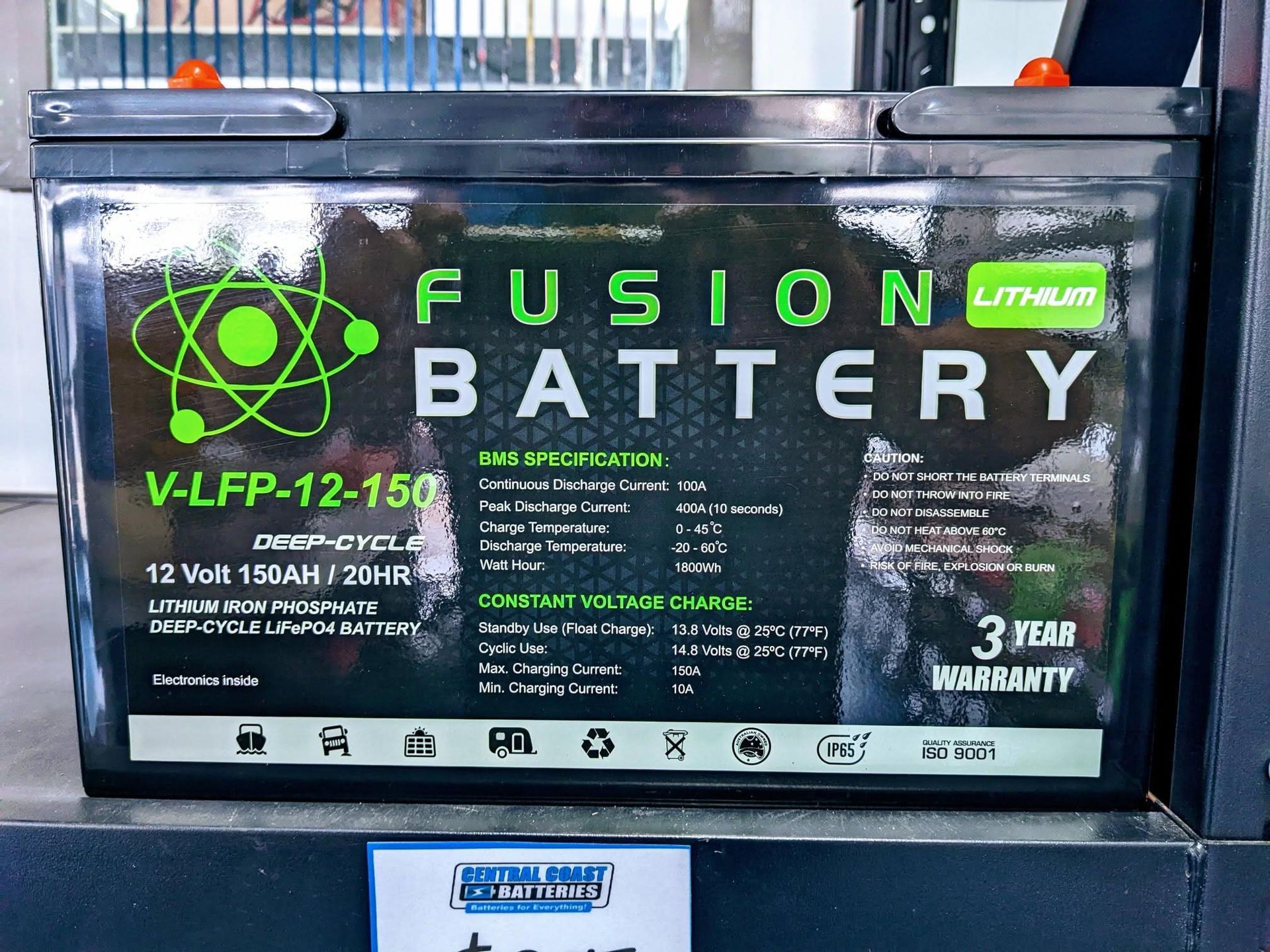
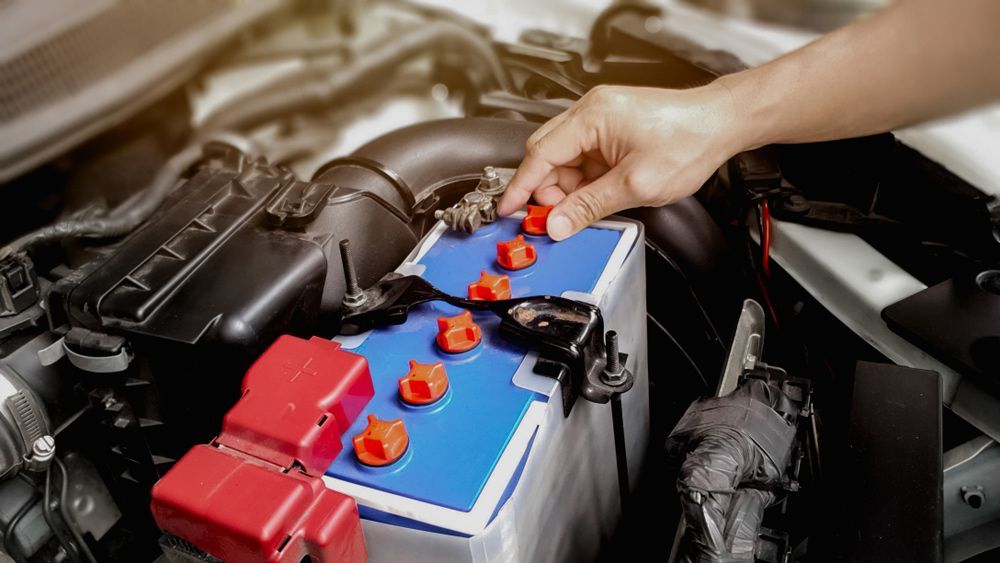
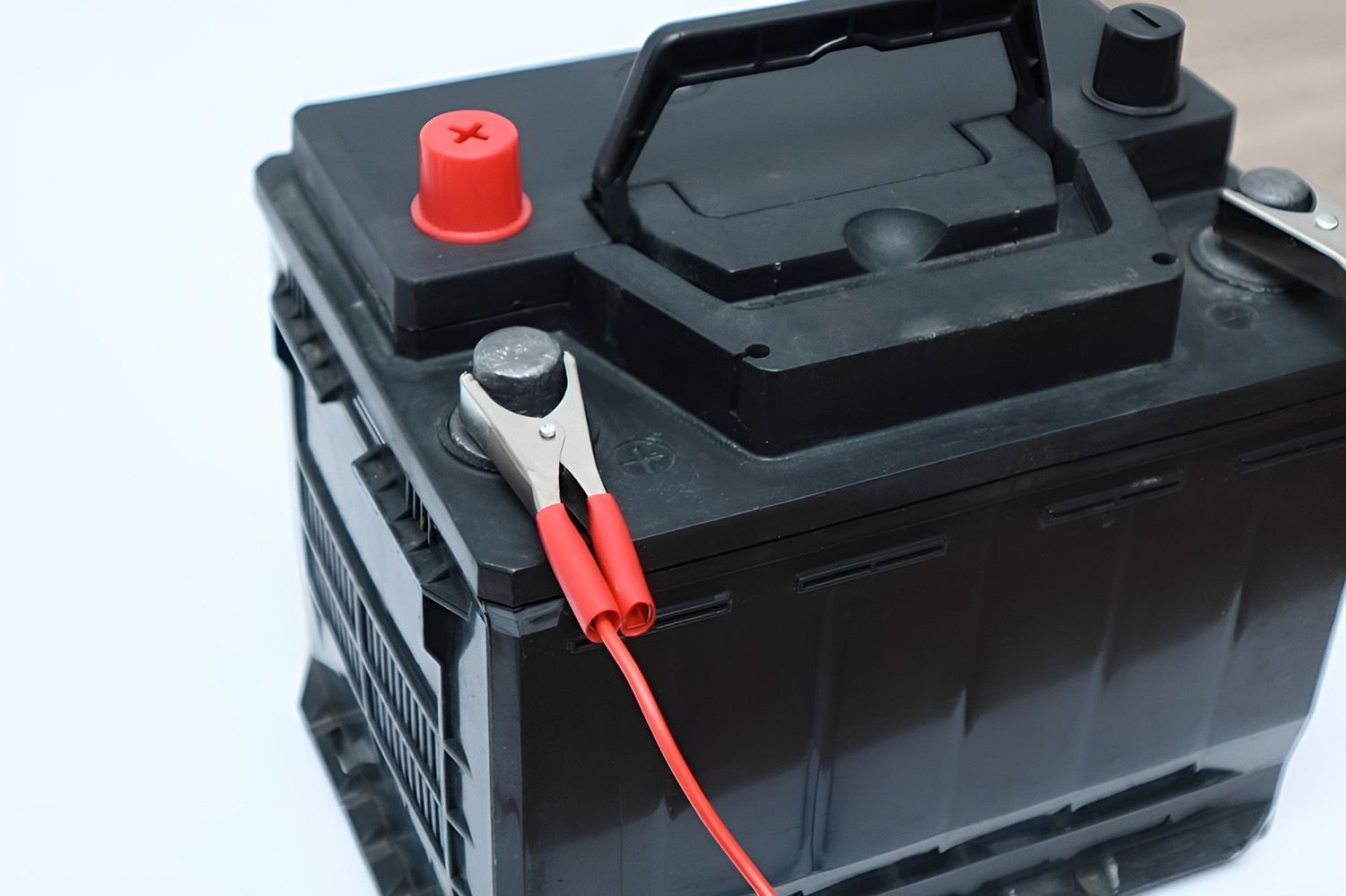
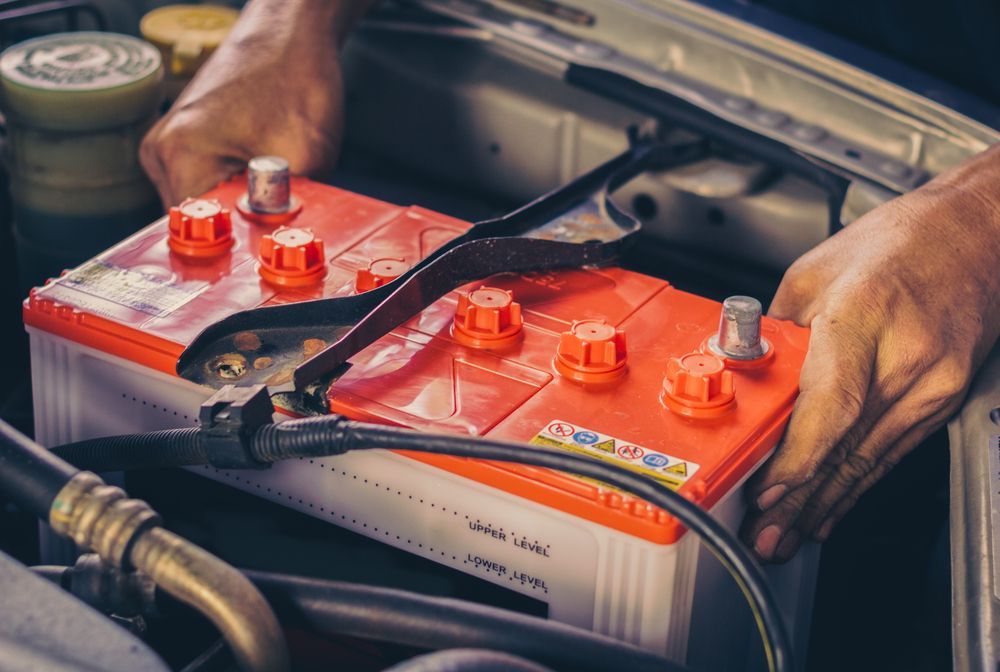
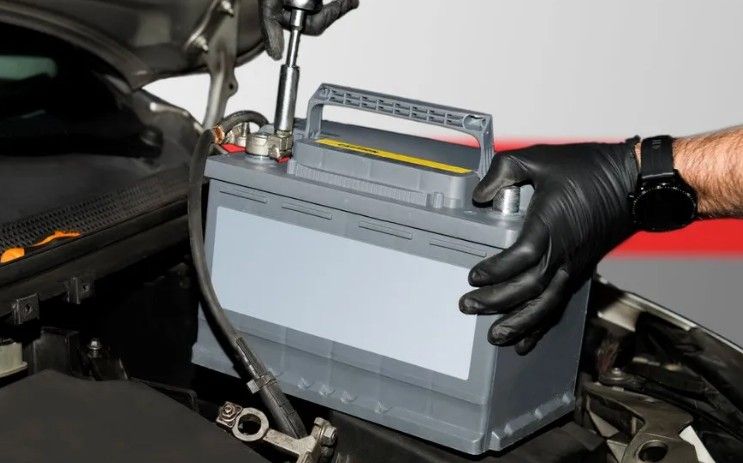
For automotive and deep cycle applications, rechargeable lead-acid, AGM and lithium batteries are the standard — single-use batteries have no role in these applications. Car batteries Central Coast drivers rely on are all rechargeable by design, built to be charged by the vehicle's alternator during normal driving.
Safe Usage, Charging Practices and Disposal Considerations
A few practical safety points apply to both battery types.
Do not mix old and new batteries in the same device, and do not mix different battery types or brands together. This can cause uneven discharge and in some cases leakage.
For rechargeables, use a charger that is compatible with the battery type. Charging NiMH batteries with a charger designed for a different chemistry can damage the battery and reduce its lifespan significantly. Modern smart chargers with automatic cut-off are the safest choice — they monitor the battery's state and stop charging once it is full, reducing the risk of overcharging.
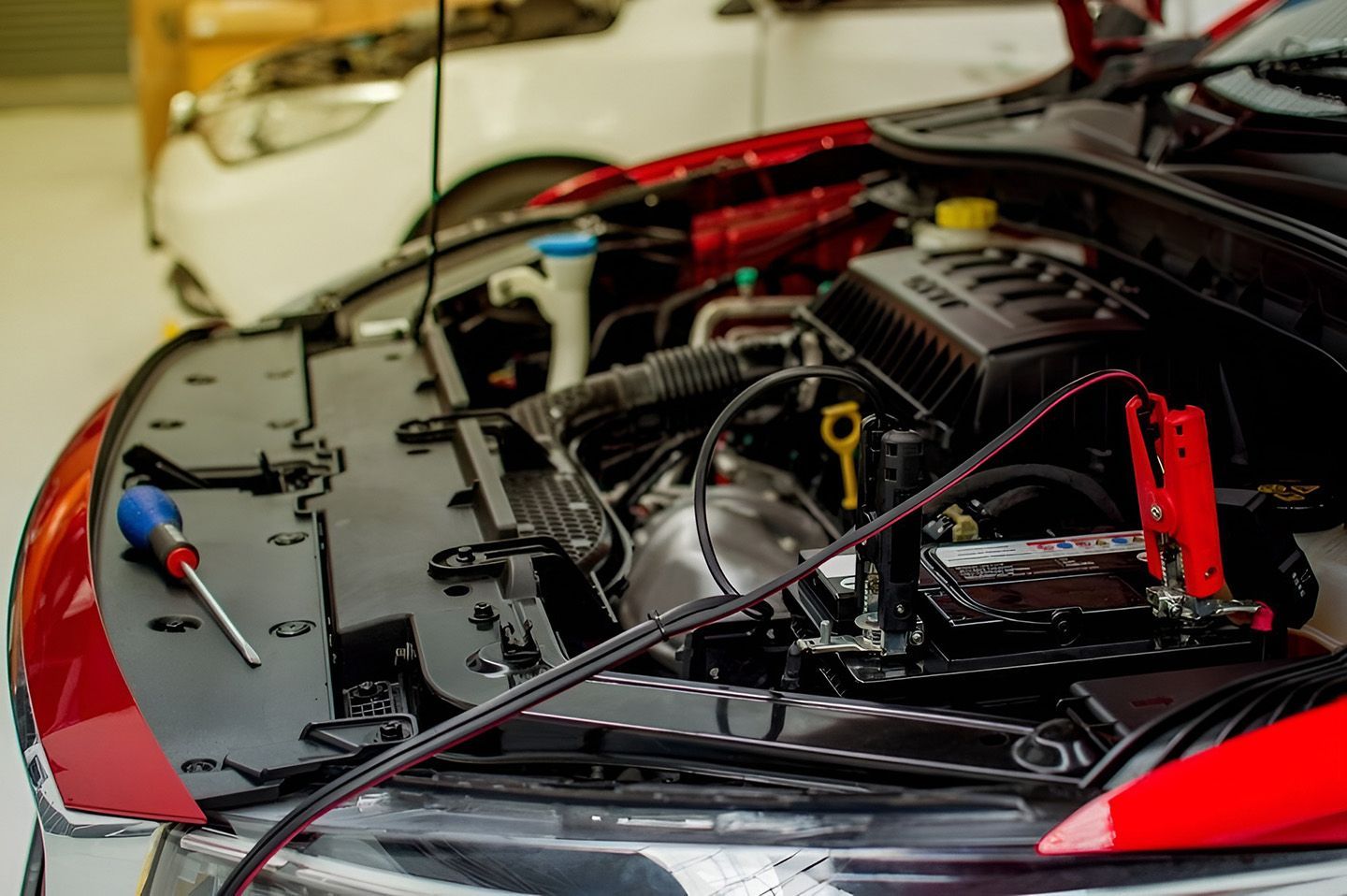
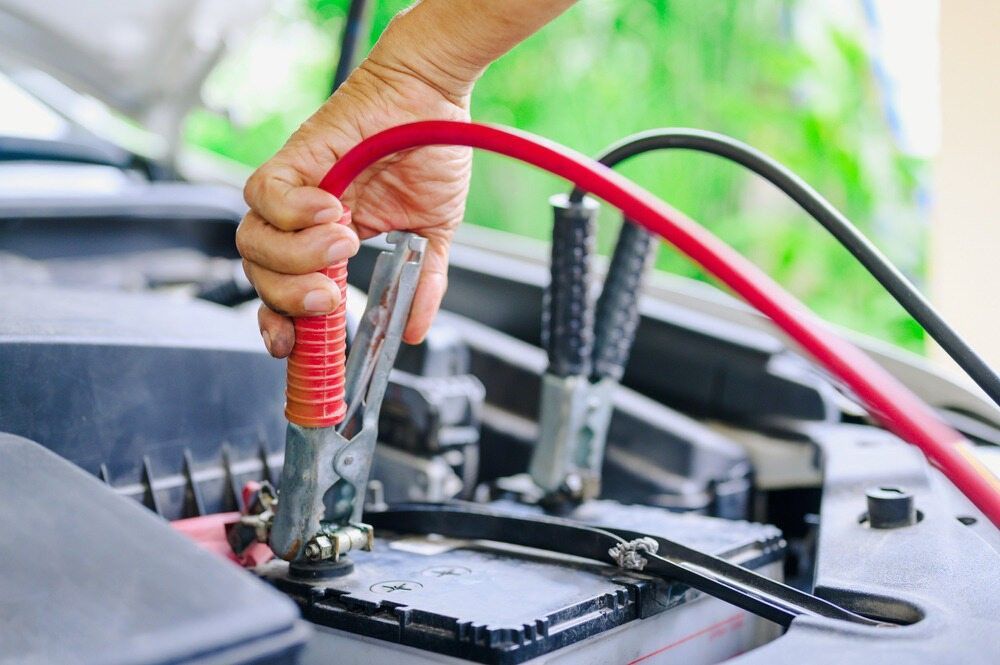
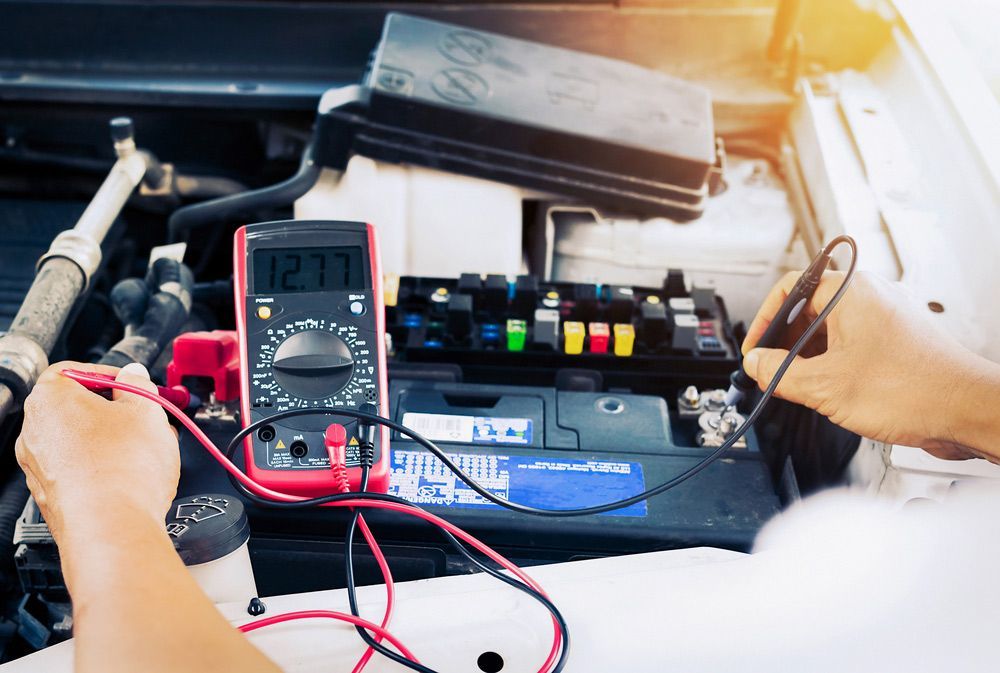
For car batteries specifically, our guide on how to safely test and charge a car battery covers best practices in detail, including what to check before charging and how to avoid common mistakes.
When it comes to battery charging for any battery type, always follow the manufacturer's guidance on the charger and avoid leaving batteries charging unattended for extended periods with older manual chargers that do not have automatic shut-off.
Dispose of all spent batteries — whether disposable or rechargeable — at an appropriate drop-off location rather than in general waste.
Which Battery Type Is Right for You?
The answer depends on your situation rather than one type being universally better than the other.
Rechargeables are the better choice if you use batteries frequently across multiple devices, want to reduce ongoing costs over time and are willing to manage a charging routine. They are well suited to remote controls, game controllers, torches, kids' toys and any device that goes through batteries regularly.
Disposables are the better choice for low-use devices where you replace batteries infrequently, for emergency backup situations where you want batteries that sit ready for months without losing charge, and for situations where you do not want the upfront cost or the need to manage a charger.
For car, marine, mobility and other vehicle batteries, rechargeables are not a choice — they are the only option, and choosing the right type for your vehicle and driving conditions matters more than most people realise. If you are unsure which battery suits your device or application, getting advice from a specialist is always the most reliable starting point.
Find the Right Battery at Central Coast Batteries
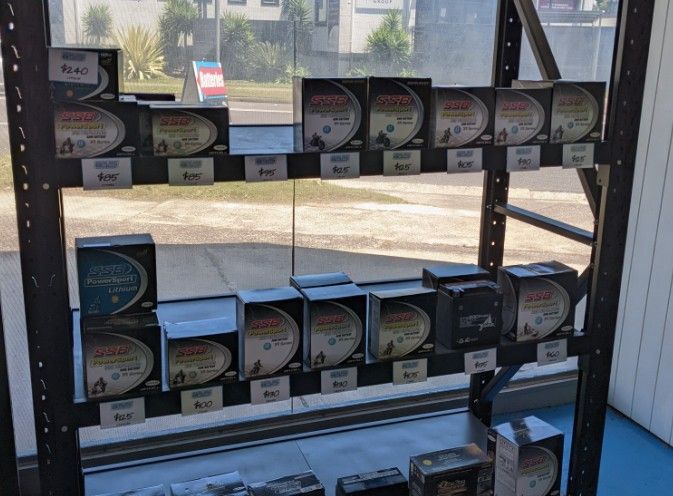
Whether you are stocking up on household rechargeables, replacing a car battery or looking for something more specialised, Central Coast Batteries has the range and expertise to point you in the right direction. The team stocks a broad range of Batteries Central Coast residents rely on across automotive, marine, specialty and household categories — all backed by practical, no-jargon advice.
Visit the store in Long Jetty, use the mobile fitting service or get in touch to find the right battery for your needs.